7 Small Space Mistakes That Make Your Home Feel Cramped (And How to Fix Them)
Published: 29 Oct 2026
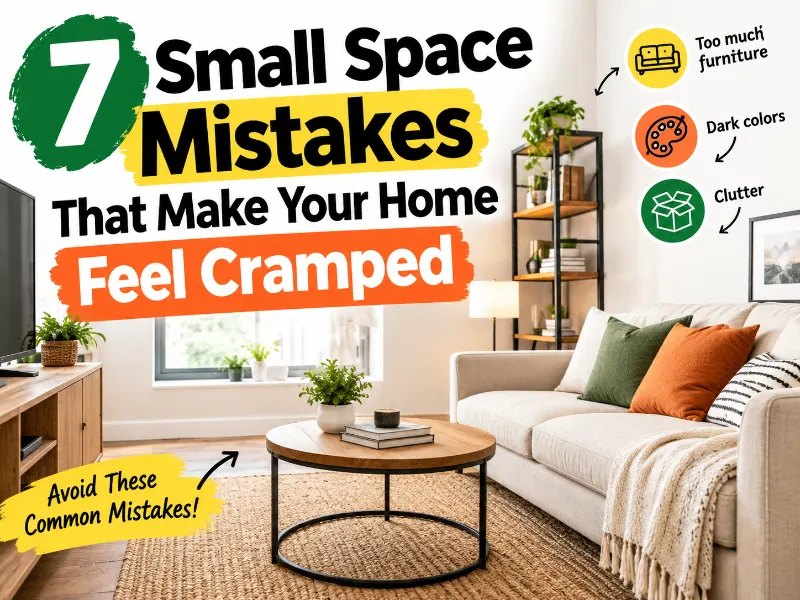
A small home can feel warm, stylish, and comfortable. But a few decorating mistakes can make even a tidy room feel crowded. You may have too much furniture, poor lighting, or items that take up valuable floor space. Have you ever wondered why your small room still feels cramped after cleaning? This guide explains seven common small space mistakes and shows you how to fix them on a budget.
The most common small space mistakes include using oversized furniture, pushing every item against the walls, blocking natural light, choosing the wrong rug size, adding too much decor, ignoring vertical space, and keeping clutter in sight. Simple layout changes, better lighting, and smart storage can help your home feel more open without a major makeover.
1. Choosing Furniture That Is Too Large for the Room
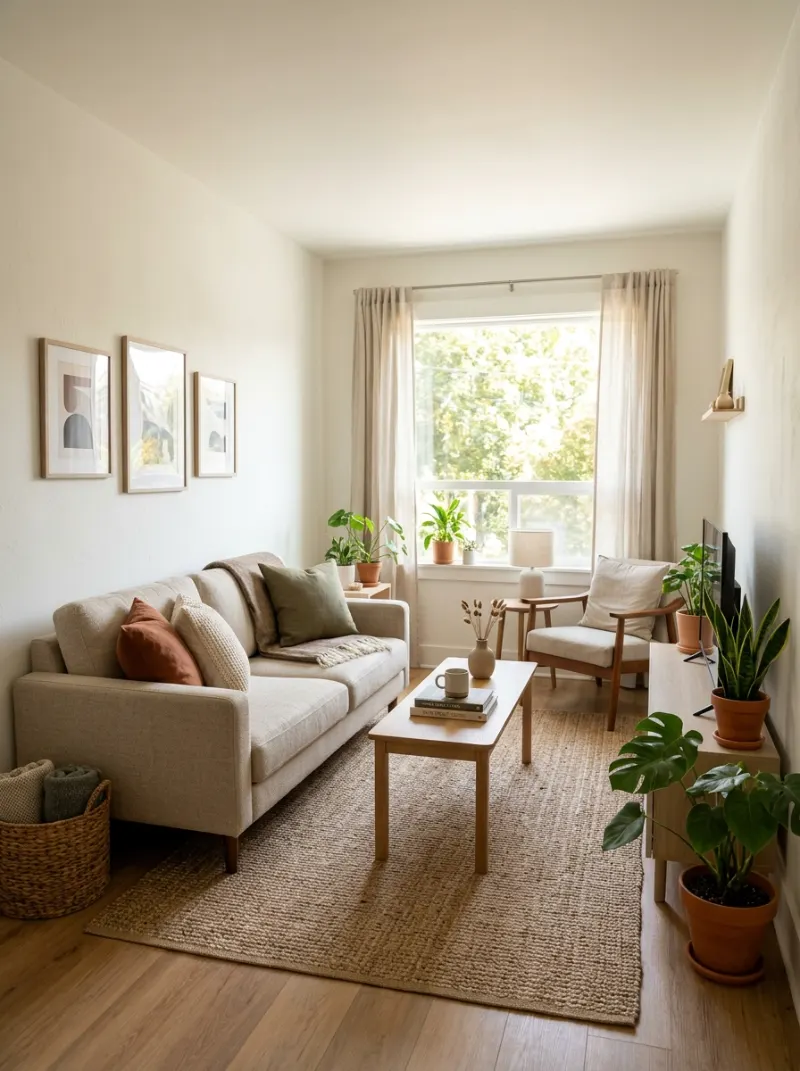
Large furniture can make a small room feel tight. A deep sofa, wide coffee table, or bulky armchair can block walkways and leave little room to move. Choose furniture that fits your room and supports your daily needs.
Why does oversized furniture make a room feel smaller?
Big furniture takes up more floor space than a small room can spare. It can also block windows, cover useful corners, and make other items look out of place. A small living room needs a balance between seating, storage, and open space.
Example: Imagine a 10-by-12-foot living room with a large sectional sofa and a wide coffee table. A compact two-seat sofa and a narrow coffee table may leave more room to walk while keeping the same cozy style.
- Measure the room before buying furniture.
- Choose slim arms, raised legs, and compact shapes.
- Keep enough space to walk between furniture pieces.
How can you choose furniture for a small room?
Start with the largest item, such as your bed or sofa. Measure its width, depth, and height. Then measure the open floor area around it. This simple step helps you avoid furniture that looks good in a store but feels too large at home.
For a small bedroom, a bed with built-in drawers may replace a separate storage chest. In a medium living room, a compact sofa with a simple shape can provide enough seating without filling every corner.
Budget tip: A low-cost fix is to rearrange your current furniture. A medium option is to replace one bulky item with a smaller piece. A high-budget option is to invest in custom furniture that fits an unusual room layout.
Who it suits: This idea works well for renters, small families, and anyone who wants more walking space.
2. Pushing Every Piece of Furniture Against the Walls
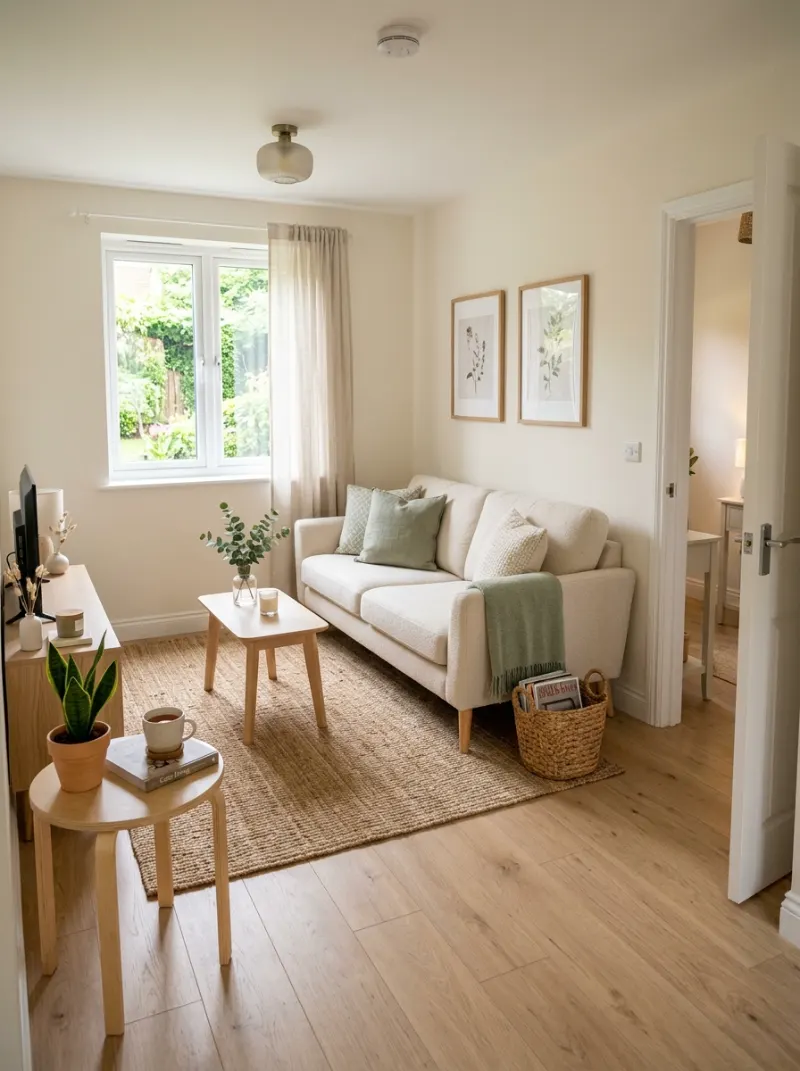
Many people push all their furniture against the walls to create more floor space in the center. This can work in some rooms, but it may also leave the layout feeling flat and disconnected. A thoughtful arrangement can make a small room feel more balanced.
Should furniture always touch the walls?
No. Furniture does not always need to sit against a wall. A small sofa can sit slightly forward, with a narrow table behind it. This can create a clear seating area and make the room feel planned rather than empty in the middle.
Example: In a 12-by-14-foot living room, move a small sofa a few inches away from the wall and place a compact rug beneath the seating area. Keep the style simple with warm white walls and light oak furniture.
- Create one clear seating area instead of scattering chairs.
- Leave a practical path from the door to the main seating area.
- Pull furniture forward only when it improves the layout.
How can you arrange furniture without wasting space?
Begin by identifying the room’s main purpose. A living room needs comfortable seating and a clear path to the entrance. A bedroom needs easy access to the bed and wardrobe. Arrange furniture around these needs instead of following a fixed rule.
Try moving chairs closer to the sofa to create a conversation area. You can also use a small side table instead of a large central table. Keep the layout simple so people can move around without turning sideways.
For more ideas on making a room feel comfortable, seasonal styling can also play a part. For example, a well-planned fireplace area can become a focal point without requiring extra furniture, as shown in these Christmas fireplace decor ideas.
Budget tip: Rearranging furniture costs nothing. Test two or three layouts before buying anything new.
Renter-friendly tip: Use movable furniture and lightweight tables. You can change the layout without drilling holes or making permanent changes.
3. Blocking Natural Light With Heavy Curtains
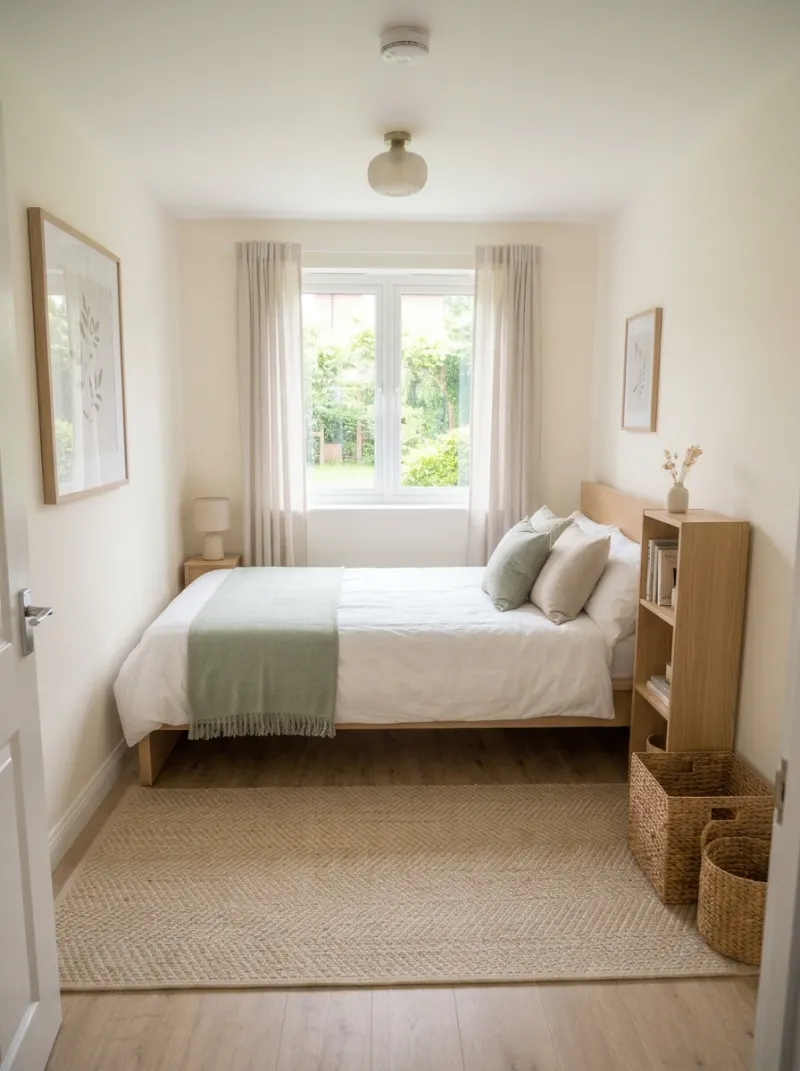
Natural light can make a small room feel more open. Heavy curtains, dark window coverings, and furniture placed in front of windows can reduce that effect. A room may feel darker and more closed in, even when it has enough floor space.
How do dark or heavy curtains affect a small room?
Thick curtains can cover a large part of the window and reduce the amount of daylight entering the room. Dark fabric can also create a strong visual block against light walls. You do not need to remove every curtain, but a lighter option may suit the space better.
Example: A small 9-by-11-foot bedroom with dark brown curtains may feel heavy. Replacing them with warm white or light beige curtains can create a softer look that suits a simple, airy style.
- Use light-filtering curtains in warm white, ivory, or pale beige.
- Hang the curtain rod above the window frame when the wall allows it.
- Keep tall furniture away from the window whenever possible.
What window treatments work best in small rooms?
Choose curtains that let daylight enter while giving you enough privacy. Sheer panels work well in living rooms, while light-filtering curtains can suit bedrooms. In a rental, removable window film or tension-rod curtains may offer useful options without permanent changes.
For a more open look, mount the curtain rod several inches above the window frame and extend it beyond the sides when space allows. Measure carefully before drilling. Check the wall type and use suitable anchors to support the rod safely.
Budget tip: Wash and reopen your existing curtains to let more light through. A medium option is to replace heavy panels with lighter fabric. A higher-cost option is a professionally fitted window treatment.
Who it suits: This idea works for small apartments, dark bedrooms, and north-facing rooms that receive limited direct sunlight.
4. Using a Rug That Is Too Small
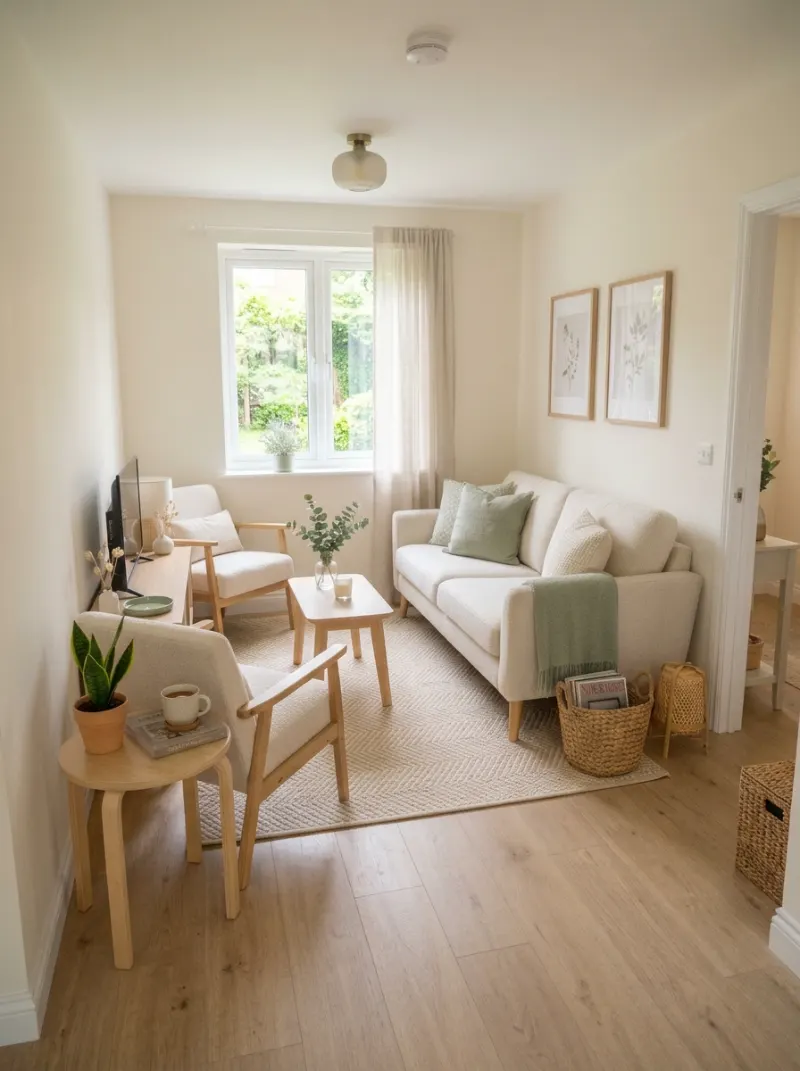
A rug can connect furniture and help a room feel organized. But a tiny rug under a large sofa can make the seating area look disconnected. Choosing the right rug size helps define the room without adding more furniture.
Why can a small rug make a room feel crowded?
A small rug can look like an isolated patch on the floor. When the sofa, chairs, and table sit outside its edges, the room may feel broken into separate pieces. A properly sized rug creates a visual link between the main furniture items.
Example: In a 10-by-12-foot living room, a small rug placed only under the coffee table may look out of proportion. A larger rug that fits beneath the front legs of the sofa and chairs can create a more unified seating area.
- Measure the seating area before choosing a rug.
- Let the front legs of the main seating pieces rest on the rug when practical.
- Choose a simple pattern if the room already has many visual details.
How do you select the right rug size?
Start by measuring the width and depth of your seating area. Leave some visible floor around the rug so the room does not look covered from wall to wall. The best size depends on your furniture and layout, not just the room’s total dimensions.
For example, an 8-by-10-foot rug measures 96 by 120 inches, or about 244 by 305 centimeters. It may suit some medium living rooms, but always check the furniture layout first. A smaller room may need a different size.
If you enjoy seasonal decorating, keep the rug simple and use small accents to change the look. You can create a festive atmosphere through scent and a few carefully chosen details rather than filling the floor with extra decorations. Ideas for making your house smell like Christmas can help you explore this approach.
Budget tip: Try your existing rug in another position before buying a new one. You can also measure the floor with painter’s tape to test the size.
Who it suits: This works well for small living rooms, studio apartments, and family rooms that need a clear seating zone.
5. Adding Too Many Decorations and Small Accessories
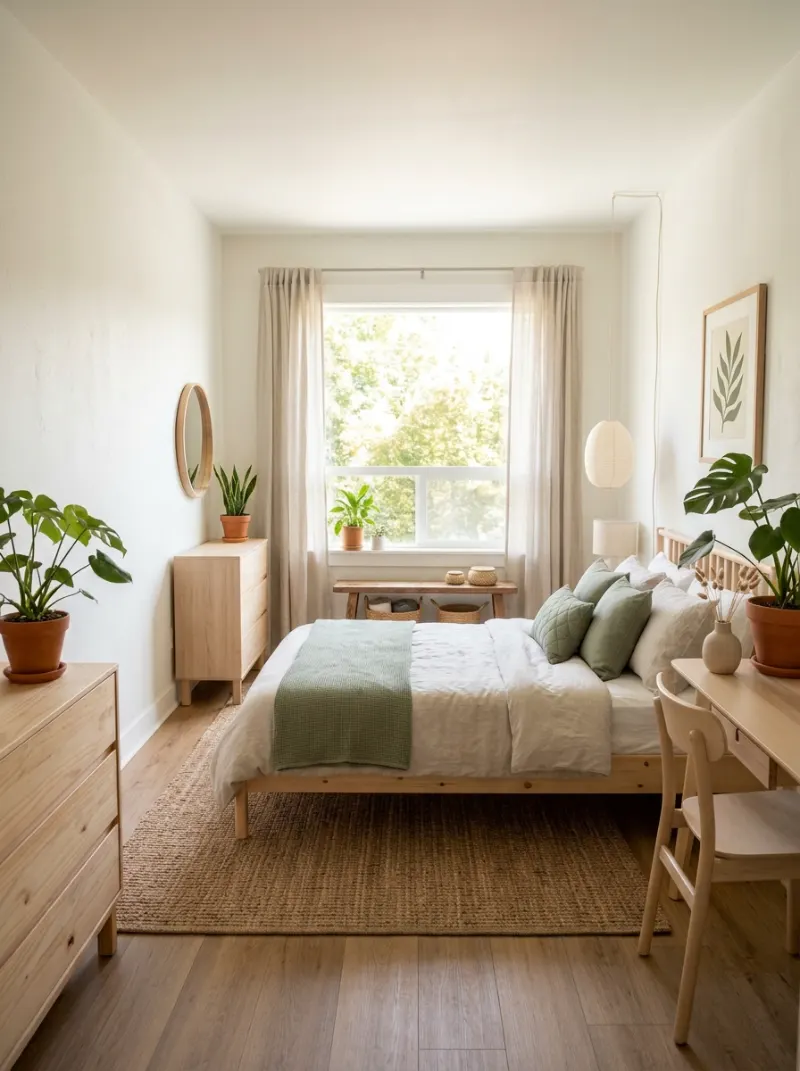
Small decorations can add personality, but too many items can make a room feel busy. Crowded shelves, full tabletops, and many small wall decorations compete for attention. A few well-chosen pieces can make your home look more polished.
Why does too much decor create visual clutter?
Every visible object adds another detail for the eye to notice. When many items compete for attention, it becomes harder to appreciate the room’s main features. This does not mean you must choose a plain style. It means each item needs a clear place.
Example: A small 8-by-10-foot bedroom may have several framed photos, candles, books, and ornaments on one bedside table. Keeping a lamp, one framed photo, and a small tray can create a cleaner look without removing all personality.
- Group small accessories on one tray instead of spreading them across every surface.
- Display a few favorite pieces and store the rest.
- Repeat two or three colors, such as cream, sage green, and light wood.
How can you decorate a small room without making it busy?
Choose one main feature for each area. A bedroom might have one framed print above the bed. A living room might use a simple centerpiece and one large artwork. Keep other surfaces fairly clear so the main feature can stand out.
You can still display family photos, handmade crafts, and meaningful items. Arrange them in a small group instead of placing one item on every available surface. If you enjoy creative projects, a few coordinated pieces from these DIY picture frame ideas can give a wall a personal touch without crowding the room.
Budget tip: Shop your own home before buying more decor. Move accessories between rooms, store pieces you do not need, and display only your favorites.
Renter-friendly tip: Use lightweight frames, removable picture strips rated for the frame’s weight, or tabletop displays. Check the product instructions and wall surface before hanging anything.
6. Ignoring Vertical Space and Smart Storage
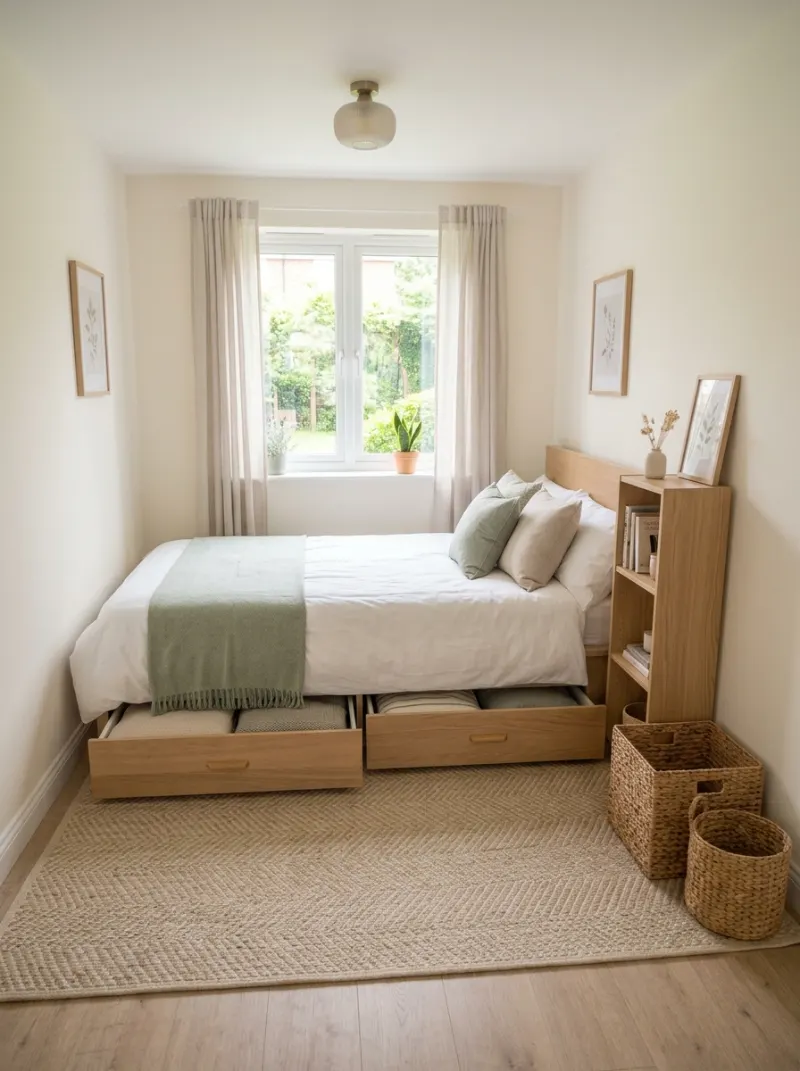
When floor space is limited, people often forget to use the walls and the area above furniture. This leaves useful storage space empty while everyday items pile up on tables and floors. Vertical storage means using wall height to store or display items.
How does vertical storage help a small home?
Wall shelves, tall bookcases, and hooks can keep everyday items off the floor. They also help organize items by purpose. The key is to use vertical space without filling every wall or making the room feel top-heavy.
Example: In a small 10-by-10-foot bedroom, a tall narrow bookcase may hold books, baskets, and folded linens. It can free up floor space compared with several short storage units spread around the room.
- Use hooks for bags, coats, or everyday accessories.
- Choose tall, narrow storage when the room has limited floor space.
- Store less-used items on higher shelves and daily items within easy reach.
What storage ideas work best in small rooms?
Use storage that matches your needs. A family may benefit from baskets for toys, while a renter may prefer freestanding shelves and storage boxes. A pet owner can keep toys and grooming supplies in a dedicated basket to reduce clutter.
Look at unused areas above a desk, beside a wardrobe, or under a bed. These spaces can hold useful items without adding another large piece of furniture. Keep frequently used belongings easy to reach so you do not need to move several items each day.
Safety matters when you install wall shelves or tall storage. Use anchors suited to the wall material and the shelf load. Locate wall studs when required, and never place heavy objects on an unstable shelf above a bed or seating area. Ask a qualified person for help if you are unsure.
For families who need a separate place for children’s toys, a backyard play space may also help keep indoor areas organized. A practical DIY backyard playhouse can give outdoor toys and play activities a dedicated area when your space and budget allow.
Budget tip: Start with baskets, under-bed boxes, and hooks you already own. A medium option is a freestanding shelf. A higher-cost option is built-in storage fitted to your room.
7. Choosing Too Many Dark Colors and Strong Patterns
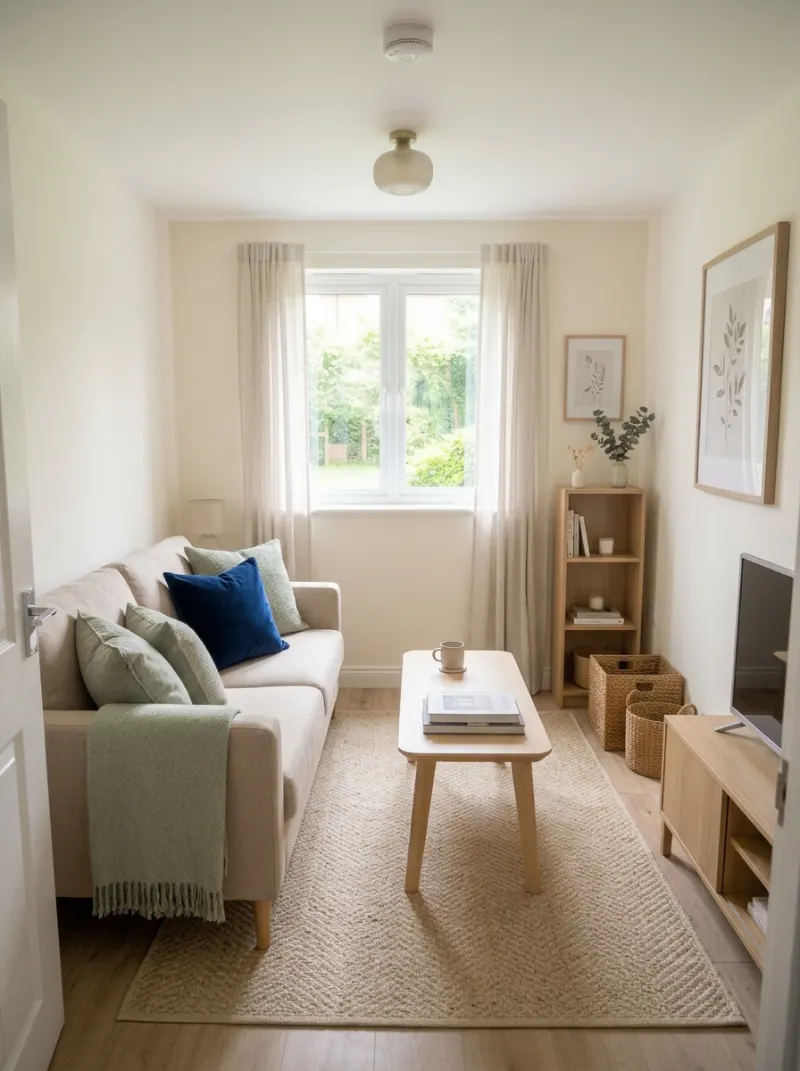
Dark colors can look beautiful in a small home, but using them everywhere may make a room feel heavy. Large patterns and many competing colors can also create visual noise. A balanced palette can make a room feel calm without removing all bold design choices.
Do dark colors always make a room feel smaller?
No. Dark colors can add depth and style when you use them with care. The problem often comes from combining dark walls, heavy furniture, thick curtains, and strong patterns in a room with limited light.
Example: In a small 9-by-10-foot living room, charcoal walls, a dark sofa, and a bold patterned rug may compete for attention. Warm white walls, a navy cushion, and a small patterned rug can keep the room interesting while making the overall look feel lighter.
- Use warm white, soft beige, or pale gray as the main wall color.
- Add navy blue, forest green, or terracotta through smaller accents.
- Limit large patterns to one main feature in a small room.
How can you use color to make a small room feel open?
Start with a simple color palette. Choose one main neutral, one supporting color, and one accent color. For example, warm white walls, light oak furniture, and sage green cushions can create a fresh look without making the room feel busy.
You do not need to paint every wall white. A soft blue or muted green can work well when the room has enough light and the furniture suits the palette. Test a small paint sample on the wall and view it during the day and evening before making a final choice.
If your home feels cold as well as cramped, soft furnishings can add comfort without adding bulky furniture. A light throw, lined curtains, and a suitable rug can help create a warmer atmosphere. You can also use practical ideas from this guide on keeping your house warm in winter without the heating on.
Budget tip: Rearrange your existing cushions, throws, and artwork before buying new decor. A low-cost color update can come from changing accessories rather than repainting the whole room.
Who it suits: This approach works for small bedrooms, compact living rooms, renters who use removable decor, and families who want a calm shared space.
Simple Steps to Make Your Small Home Feel More Open
You do not need to fix all seven mistakes at once. Start with the change that affects your room the most. A clear plan can help you improve the space without spending money on items you do not need.
What should you change first?
Walk through the room and notice where you bump into furniture, where clutter gathers, and where natural light gets blocked. These everyday problems will help you decide what to fix first.
Example: In a small 10-by-12-foot living room with a tight budget, moving the coffee table, clearing the window, and removing unused accessories may improve the layout before you replace any furniture.
- Measure the room and the largest furniture pieces.
- Clear one surface and remove items you no longer use.
- Test a new furniture layout before shopping.
- Improve the light with lighter window treatments.
- Review the room again after you finish each change.
How can you plan your budget?
Use the table below to choose a starting point. The options describe the level of work, not fixed prices. Check current costs in your area before buying anything.
| Budget level | What you can do | Best for |
| Low | Rearrange furniture, declutter, reuse decor, and improve natural light | Renters and tight budgets |
| Medium | Add suitable storage, replace one bulky item, or choose a better-sized rug | Homes with a few layout problems |
| High | Invest in fitted storage, custom furniture, or professional design help | Rooms with difficult layouts or long-term needs |
Remember, a more expensive makeover does not always solve the main problem. A small room may need less furniture, better placement, and a clearer color palette rather than more purchases.
Frequently Asked Questions
1. What is the biggest mistake people make in small spaces?
Oversized furniture is a common problem. Large pieces can block walking paths and leave little room for daily activities. Measure your room first and choose furniture that fits your needs.
2. Which colors make a small room feel bigger?
Warm white, soft beige, pale gray, and light sage can create a bright, open look. You can still use dark colors in small amounts through cushions, artwork, or a single accent wall.
3. Should I put all my furniture against the walls?
Not always. Some furniture arrangements work better when pieces sit slightly away from the walls. Focus on clear walkways and a useful layout instead of following one fixed rule.
4. How can I make a small room look better without spending money?
Start by removing items you do not use, rearranging furniture, clearing windows, and grouping decorations. These changes can improve the look of a room without requiring new purchases.
5. How do renters make a small home feel less cramped?
Renters can use movable furniture, freestanding shelves, baskets, and light-colored accessories. Removable wall decor can also add personality. Always check weight limits before hanging shelves, frames, or other items.
Final Thoughts
A small home can feel comfortable and stylish when you avoid the mistakes that waste space. Choose furniture that fits, keep natural light clear, use simple colors, and give everyday items a proper place.
Start with one room and fix the problem that bothers you most. You can make useful changes without buying everything new.
Which of these seven small space mistakes do you notice most in your home? Choose one change today, test it, and see how the room works for your daily needs.


- Be Respectful
- Stay Relevant
- Stay Positive
- True Feedback
- Encourage Discussion
- Avoid Spamming
- No Fake News
- Don't Copy-Paste
- No Personal Attacks
- Be Respectful
- Stay Relevant
- Stay Positive
- True Feedback
- Encourage Discussion
- Avoid Spamming
- No Fake News
- Don't Copy-Paste
- No Personal Attacks
