5 Best Renter-Friendly Flooring Hacks to Upgrade Your Rental Home
Published: 29 Oct 2026
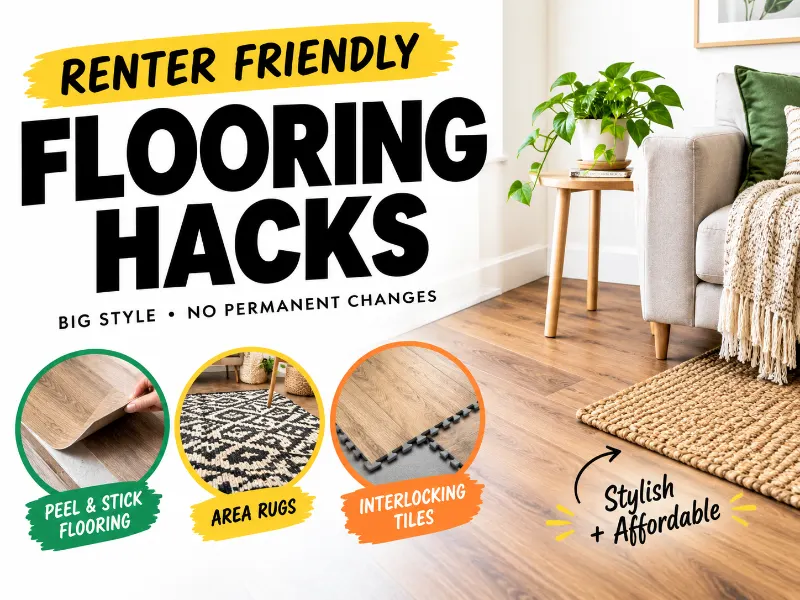
Living with old, scratched, or unattractive floors can make a rental home feel less inviting. You may want a fresh look, but permanent flooring changes can risk your security deposit. The good news is that you can improve your floors without a full renovation. Which flooring hack will work best for your rental home?
In this guide, you will discover five renter-friendly flooring hacks that suit different rooms, budgets, and decorating styles. You will also learn how to protect the original floor, choose easy-to-remove materials, and avoid common mistakes before moving out.
The best renter-friendly flooring hacks include washable area rugs, removable vinyl tiles, interlocking floor tiles, carpet tiles, and decorative floor cloths. These options can refresh a room without replacing the original floor. Always check your lease and test materials before covering a large area.
Why Should You Upgrade Your Rental Floors?
Old floors can make even a clean room look tired. You do not need to replace them to improve your home’s style. Simple floor coverings can add color, soften hard surfaces, and help separate different areas in an open room.
- Better style: Cover an unattractive floor with colors and patterns that match your furniture.
- More comfort: Add a soft surface to bedrooms, living rooms, and reading corners.
- Less damage: Choose suitable coverings that help protect the original floor from daily wear.
Example: In a small 10-by-12-foot (3.05-by-3.66-meter) rental bedroom, a neutral rug can make the space feel warmer. A low-cost fabric rug may suit a simple style, while a larger patterned rug may suit a more detailed look. Check current prices before setting your budget.
1. Use Area Rugs to Cover Unattractive Floors
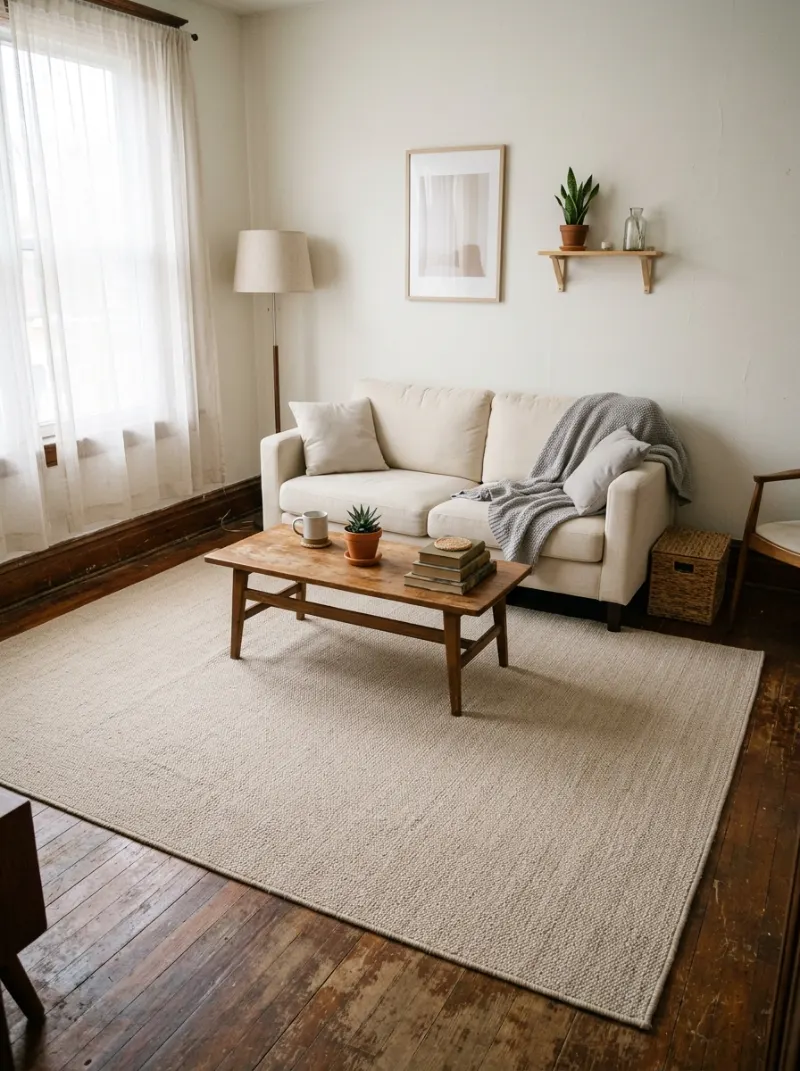
Area rugs offer one of the easiest renter-friendly flooring solutions. They cover worn spots, add warmth, and help connect furniture into one design. You can move them between rooms or take them to your next home without changing the original floor.
- Choose a large rug for a living room with visible scratches or stains.
- Use a small rug beside the bed to soften a hard bedroom floor.
- Pick washable styles for busy homes with children or pets.
Choose the Right Rug Size for Your Room
The right rug size helps a room look balanced. In a small living room, a rug around 5 by 8 feet (1.52 by 2.44 meters) may work well. In a larger room, an 8-by-10-foot (2.44-by-3.05-meter) rug can connect the seating area.
Example: In a 12-by-14-foot (3.66-by-4.27-meter) living room, a low-pile beige rug can suit a modern, budget-conscious home. Measure the furniture area first. Leave some original flooring visible around the rug when it improves the room’s balance.
Add a Rug Pad Without Damaging the Floor
A rug pad can help reduce slipping and protect the floor from friction. Choose one that the flooring maker approves for your floor type. Some rubber or latex backings can leave marks or discolor vinyl, so check compatibility before use.
For a renter-friendly setup, test a small hidden area first and follow the pad’s care instructions. Lift the rug regularly to check for trapped moisture, fading, or discoloration.
2. Refresh the Floor With Removable Vinyl Tiles
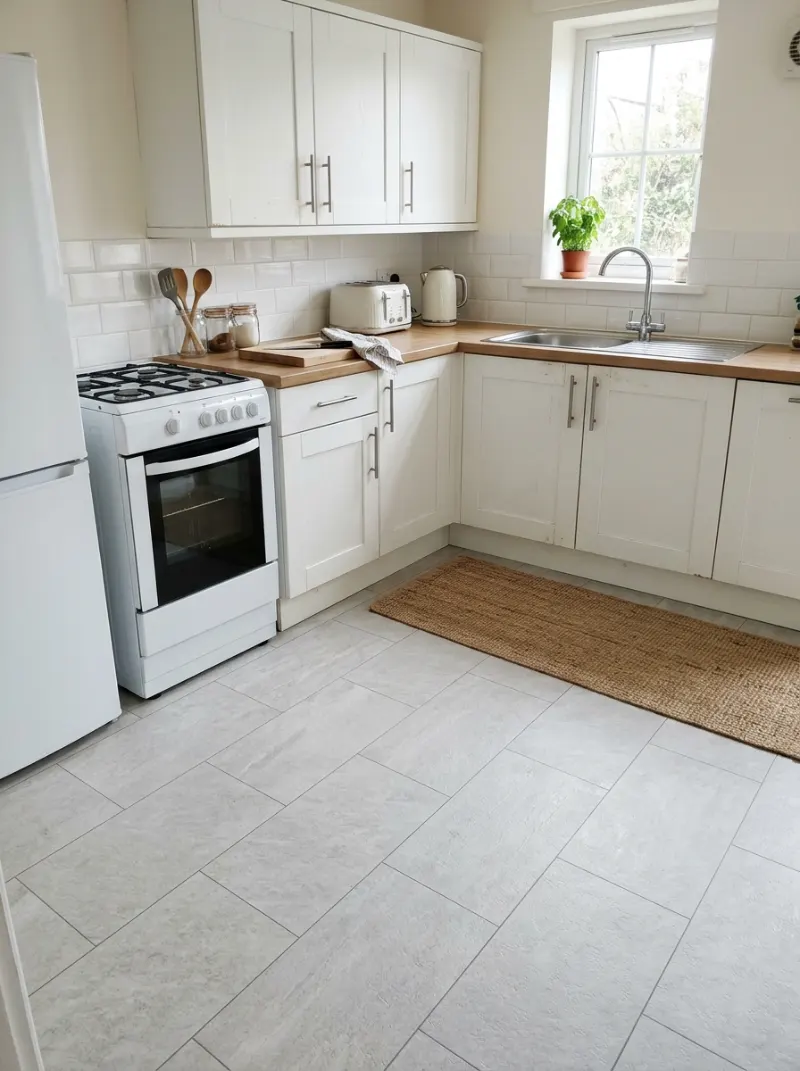
Peel-and-stick vinyl tiles can create the look of a new floor without a full renovation. They come in many colors and patterns, including stone and wood effects. However, some adhesives can damage the original finish, so check the lease and product instructions first.
- Consider a simple pattern for a small kitchen or laundry area.
- Test the adhesive on a hidden spot before covering a larger section.
- Avoid installing tiles over damp, dusty, uneven, or unsuitable surfaces.
Check the Floor Before Applying Vinyl Tiles
A clean, dry, smooth surface helps many vinyl tiles stick properly. However, removable adhesive does not work safely on every floor type. Check whether the tile maker allows use on your existing surface and whether removal may leave residue.
Example: In a 6-by-8-foot (1.83-by-2.44-meter) rental kitchen, a light stone-look pattern may suit a simple, modern style. Measure the floor carefully and calculate the required tile quantity before checking the current price.
Remove Tiles Carefully When You Move Out
The word “removable” does not mean that a tile will come off without leaving damage. Heat, sunlight, floor age, and adhesive type can affect removal. Follow the manufacturer’s instructions and test the removal method in a hidden area first.
Never use sharp blades or strong solvents without checking whether they can damage the floor. If your lease prohibits adhesive coverings, choose a loose-lay option instead.
Renter-friendly tip: Ask your landlord for written permission before using adhesive flooring, especially on hardwood, laminate, or recently installed vinyl.
3. Try Interlocking Floor Tiles for Easy Installation
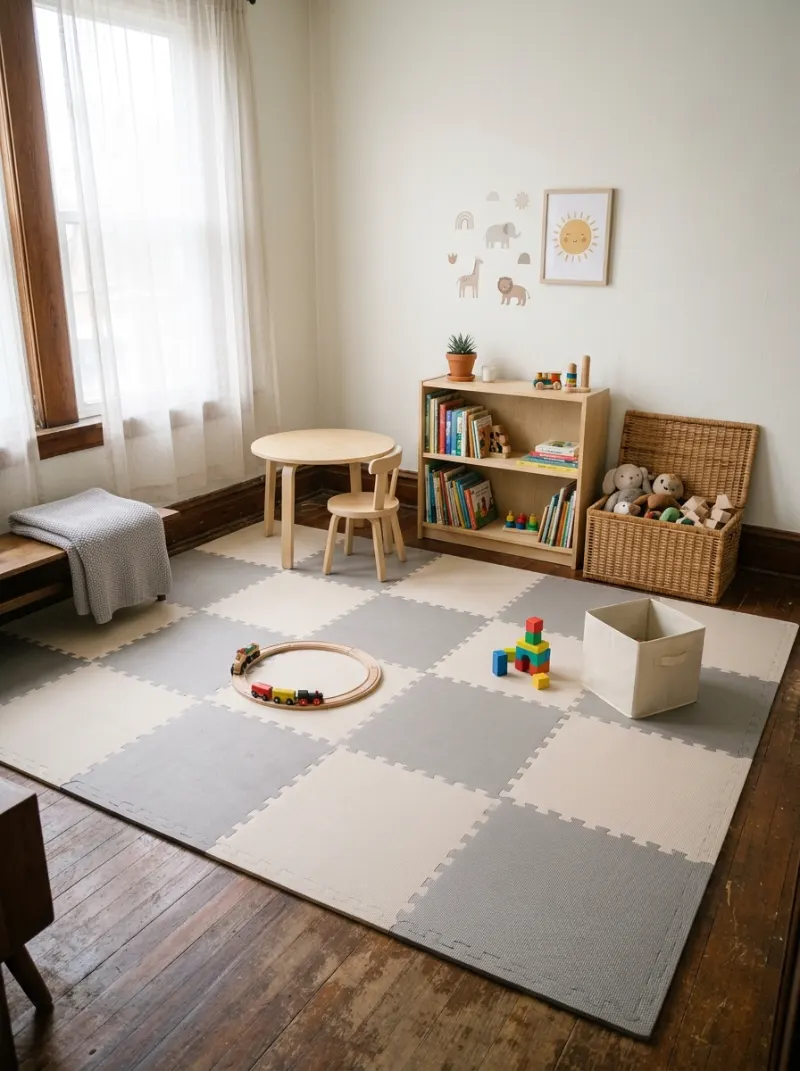
Interlocking floor tiles fit together along their edges. Many styles need no glue, which makes them useful for temporary floor updates. You can find foam, rubber, and rigid tile options, but each material suits different rooms and uses.
- Choose suitable foam tiles for a low-impact play or exercise area.
- Consider rigid interlocking tiles for a compatible indoor surface.
- Check the tile thickness so doors can open and close freely.
Pick a Tile Material That Suits Your Room
Foam tiles offer cushioning, while rigid tiles provide a firmer surface. Neither option suits every room. Check whether the material works with your existing floor, furniture, and room conditions. Avoid placing unsuitable foam tiles near heat sources.
Example: In a 7-by-9-foot (2.13-by-2.74-meter) play corner, soft neutral foam tiles may suit a family that wants a comfortable activity space. Choose a material intended for indoor use and confirm its cleaning and safety instructions.
Plan the Layout Before Connecting the Tiles
Measure the floor and arrange the tiles before fitting them together. Start along a straight edge and check the doorway clearance. If you need to trim tiles, follow the maker’s directions and use the correct tools on a safe cutting surface.
Interlocking edges can separate under heavy furniture or frequent movement. Keep the floor level and check the joints regularly. Avoid placing tiles where loose edges could create a trip hazard.
A comfortable floor can also help define a child’s play area in a family home. For outdoor family projects, a separate play space may complement indoor flooring; the materials and safety needs for a DIY backyard playhouse are different from those for an indoor floor covering.
4. Cover Worn Carpet With Removable Carpet Tiles
Carpet tiles can help hide worn patches and create a more even look. Some styles use adhesive, while others rely on compatible backing or a separate installation system. Choose a method that suits your existing floor and rental agreement.
- Use a single color for a calm bedroom or home office.
- Mix two colors to create a simple pattern in a larger room.
- Check the backing and removal instructions before installation.
Choose Carpet Tiles for Small and Medium Rooms
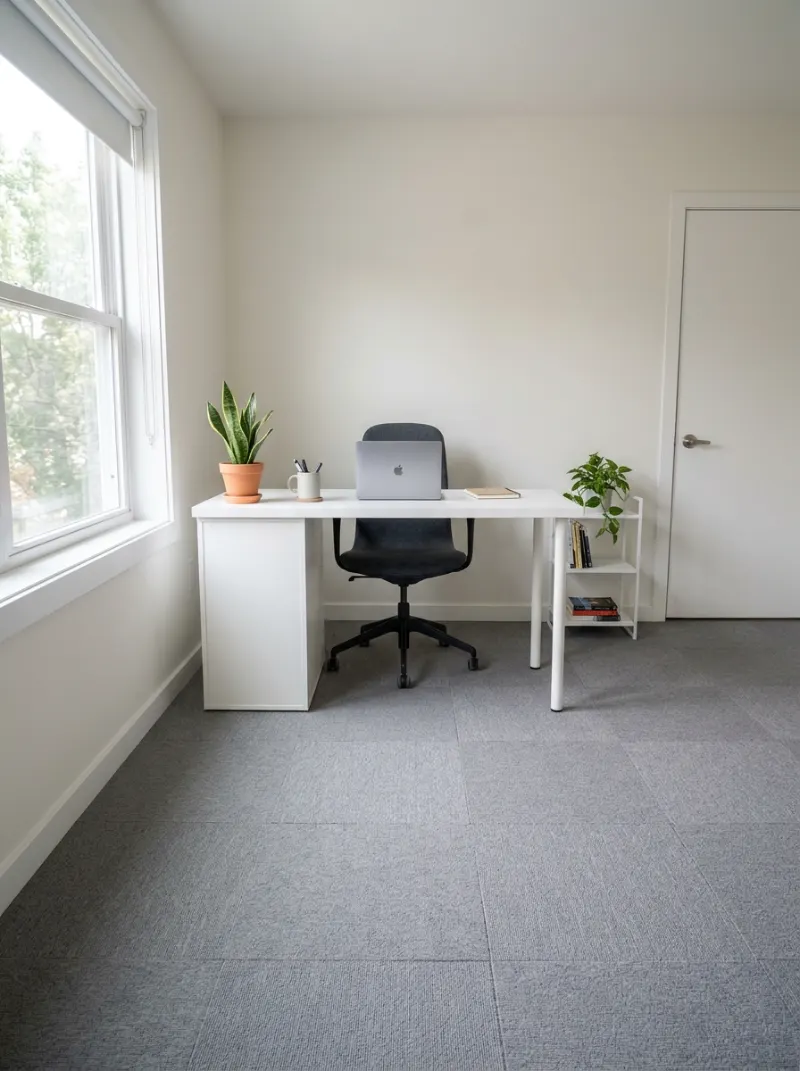
Carpet tiles work best when their size, texture, and backing match the room’s needs. A low-pile style is often easier to vacuum than a deep pile. Check whether the tiles can handle furniture pressure and regular foot traffic.
Example: In a 9-by-10-foot (2.74-by-3.05-meter) home office, charcoal and light-gray carpet tiles can create a simple, modern look. Use a removable installation method approved for the original floor, and check current prices before buying enough tiles.
Keep the Tiles Clean and Secure
Vacuum carpet tiles regularly and clean spills quickly. Lift removable sections from time to time to inspect the floor beneath them. Moisture trapped between the tile and the original floor can cause problems, especially in rooms with poor airflow.
Avoid loose corners and uneven edges. If the installation instructions require adhesive, do not assume ordinary tape is a safe substitute. Choose a compatible method and ask your landlord before installing anything that could leave residue.
A soft floor covering can make a room feel more comfortable during colder months. You can also improve the overall feel of a home with simple seasonal decor and practical warmth tips, such as those in this guide to keeping a house warm in winter without turning on the heating. Floor coverings alone do not replace safe heating or proper insulation.
5. Use Decorative Floor Cloths for a Fresh Look
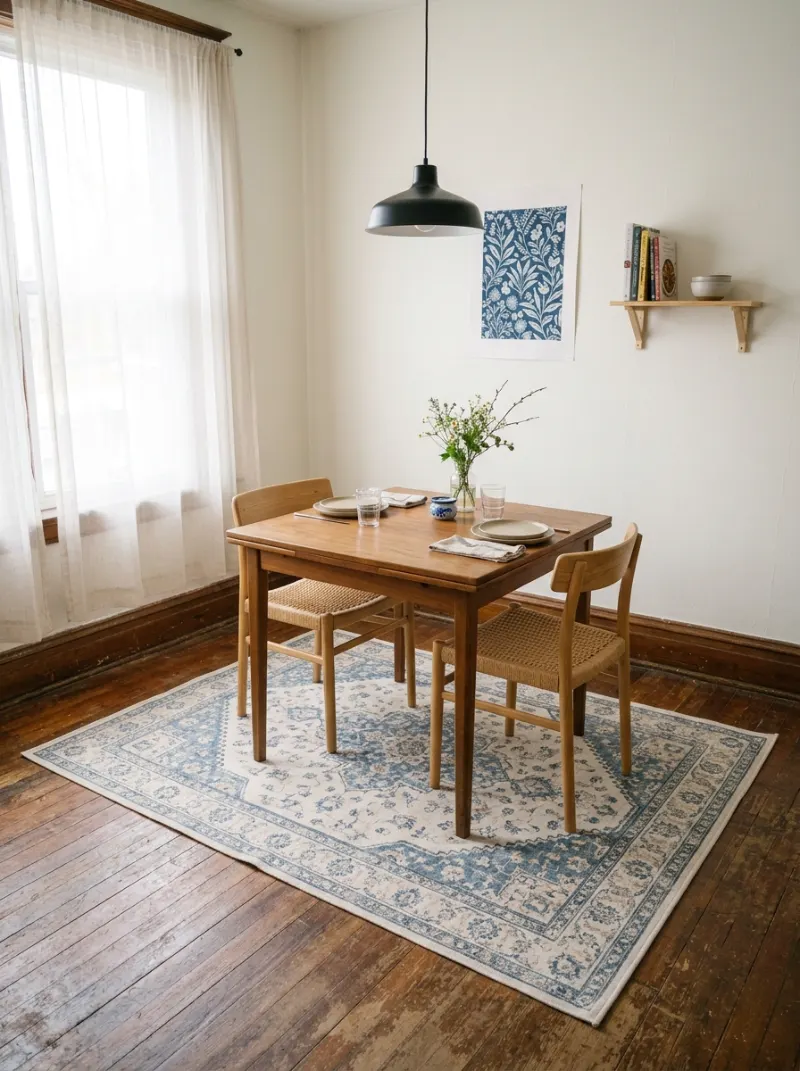
A decorative floor cloth offers a simple way to add color or pattern without covering the entire floor. Choose a suitable, durable cloth designed for floor use. Ordinary fabric may bunch up, absorb spills, or create a slipping risk.
- Use a small floor cloth in a suitable entry area.
- Choose a washable style for a low-traffic dining corner.
- Select colors that match the room’s furniture and wall paint.
Match the Floor Cloth to Your Decor Style
A floor cloth can bring a room together when its colors work with the rest of the decor. Try warm white, muted green, navy blue, or terracotta, depending on your furniture and wall color. Keep the pattern simple in a small room.
Example: In an 8-by-10-foot (2.44-by-3.05-meter) rental dining area, a washable cloth with a small blue pattern can suit a relaxed style. Choose a size that leaves chairs stable and allows people to move without catching their feet.
Prevent Slips and Protect the Original Floor
A floor cloth should stay flat and secure during daily use. Use a compatible, floor-safe non-slip backing only after checking the manufacturer’s instructions. Avoid loose corners, curled edges, and materials that slide when someone walks across them.
Do not place a floor cloth near a stove, fireplace, or other heat source unless the material is suitable for that location. Keep it dry and clean underneath to reduce the risk of trapped moisture or floor discoloration.
How Can You Choose the Best Temporary Flooring Option?
The best choice depends on your original floor, room size, lease terms, and daily needs. Compare the installation method, cleaning needs, comfort, and removal process before you buy anything. A cheap covering can cost more if it damages the floor.
- Small rooms: Choose a correctly sized rug or a simple floor cloth to avoid visual clutter.
- Medium rooms: Consider carpet tiles or a larger area rug for a clear seating or work zone.
- Large rooms: Use several compatible coverings to define separate areas without a permanent change.
Example: In a 12-by-16-foot (3.66-by-4.88-meter) rental living room, a large neutral rug may suit a family with a modest budget. A removable tile system may suit someone who wants a more uniform look, provided the floor and lease allow it.
Compare Low, Medium, and High Budget Choices
Your budget should include the floor covering, any suitable underlay, cleaning supplies, and possible replacement pieces. The table below compares general spending levels rather than fixed prices. Check current prices and calculate the total cost for your room before making a choice.
| Budget level | Possible option | Best suited for |
| Low | Small floor cloth or existing rug | Small rooms and simple updates |
| Medium | Larger area rug or compatible carpet tiles | Bedrooms and living areas |
| High | A larger removable tile system or several quality rugs | Larger rooms or a more complete visual change |
Example: A renter decorating a 10-by-12-foot (3.05-by-3.66-meter) bedroom might start with an existing rug before buying new materials. This approach suits a simple, low-cost style and lets the renter test the layout first.
What Should You Check Before Installing Temporary Flooring?
Temporary flooring can still damage a rental floor. Read your lease, inspect the surface, and check the covering’s installation instructions. A little preparation can help you avoid adhesive marks, trapped moisture, uneven edges, and disputes when you move out.
- Check permission: Ask your landlord before using adhesive or making any floor change.
- Test first: Try the material in a hidden area when the maker permits testing.
- Inspect regularly: Lift loose coverings and check for moisture, marks, or damage.
Protect the Floor During Daily Use
Place furniture carefully and avoid dragging heavy items over the original floor. Use compatible furniture pads where permitted, and clean spills as soon as possible. Do not let water sit beneath rugs, tiles, or cloth coverings.
Example: In a medium-sized rental living room, a family with pets may choose a washable rug and inspect the floor each week. This simple routine suits a practical home and helps catch moisture or damage before it becomes harder to fix.
Remove Temporary Flooring Without Rushing
When your lease ends, follow the covering manufacturer’s removal directions. Remove loose coverings slowly and check the floor underneath. Do not scrape, heat, or apply cleaning chemicals unless the floor maker confirms that method is safe.
Example: In a small rental kitchen, a renter may find adhesive residue beneath removable tiles. The renter should stop and check the correct cleaning method rather than use a sharp tool that could scratch the original surface. Photograph the floor condition before and after removal for your records.
People Also Ask
1. What Is the Easiest Renter-Friendly Flooring Hack?
A loose area rug is often the easiest choice because it usually needs no adhesive or permanent installation. Measure the room, select a suitable size, and use a compatible non-slip pad when needed. Check the floor beneath it regularly.
2. Can I Use Peel-and-Stick Tiles in a Rental?
You can use them only when your lease and landlord allow them and the product suits the original floor. Some adhesives leave residue or damage finishes during removal. Test a hidden area when permitted and follow all installation instructions.
3. Which Temporary Flooring Is Best for Pets?
A washable area rug or suitable floor cloth can work well for some pet-friendly homes. Choose a surface that stays flat, cleans easily, and suits your pet’s needs. Check for loose edges and avoid slippery coverings that may cause falls.
4. Can Temporary Flooring Damage Hardwood Floors?
Yes. Adhesives, unsuitable rubber backing, trapped moisture, and friction can mark or discolor hardwood. Choose a floor-safe covering, check the manufacturer’s guidance, and inspect the surface often. Ask your landlord before installing adhesive materials or covering a delicate floor.
5. Do I Need Permission to Cover My Rental Floor?
You should check your lease and ask your landlord before making changes, especially when a covering uses adhesive or could affect the original floor. Keep written approval and installation instructions. Loose rugs may be simpler, but they still need safe placement.
Final Thoughts
You do not need a permanent renovation to make your rental home feel more stylish. Area rugs, removable vinyl tiles, interlocking tiles, carpet tiles, and decorative floor cloths offer different ways to refresh a room.
Measure first, choose a covering that suits your original floor, and check your lease before installation. Keep safety, cleaning, and removal in mind from the start.
Your next step: Choose one room and measure its floor before comparing suitable options. Which area of your rental home would you like to improve first?






- Be Respectful
- Stay Relevant
- Stay Positive
- True Feedback
- Encourage Discussion
- Avoid Spamming
- No Fake News
- Don't Copy-Paste
- No Personal Attacks
- Be Respectful
- Stay Relevant
- Stay Positive
- True Feedback
- Encourage Discussion
- Avoid Spamming
- No Fake News
- Don't Copy-Paste
- No Personal Attacks
