How to Build a DIY Playhouse in Your Backyard Step by Step
Published: 20 Sep 2026
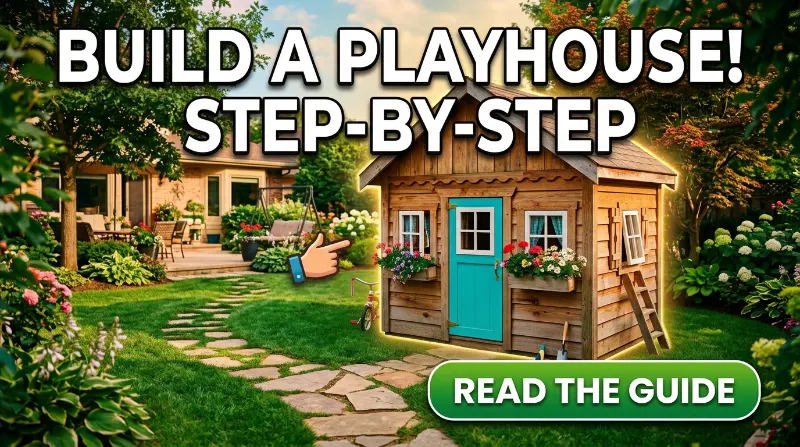
A DIY backyard playhouse gives children a small space to play, imagine, read, and enjoy outdoor time. You can build a simple playhouse with basic wood, common tools, and a weekend project plan.
You do not need to make a large or fancy structure. A small ground-level playhouse can work well for most yards. The key is to choose a safe location, use strong materials, and build each part carefully.
Plan Your Backyard Playhouse Before You Start
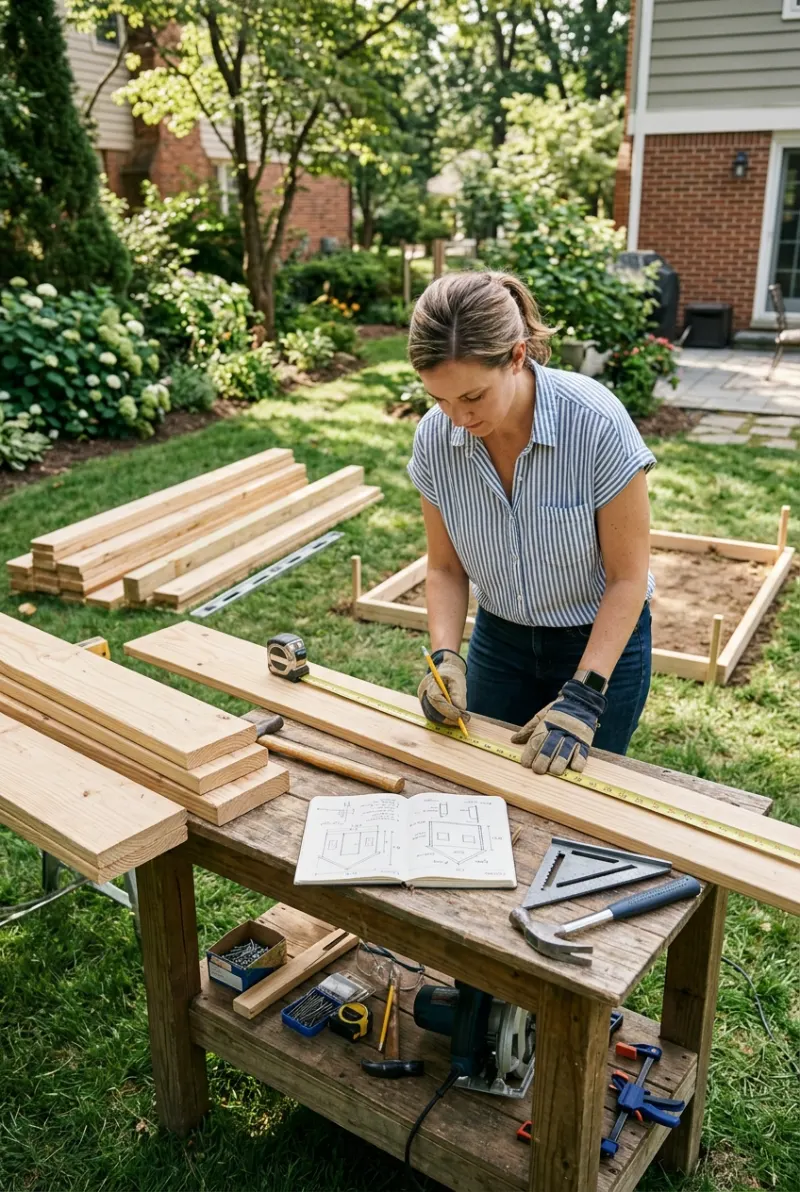
Before cutting any wood, decide where the playhouse will go and how large it should be. A flat area makes the project easier. Leave enough open space around the house for children to enter, play, and move safely.
Think about the children who will use the playhouse. Their age, height, and activities can help you choose the right door, windows, and interior space. A simple design often works better than a complicated structure.
Choose the Right Location
Pick a dry and level area in your backyard. Avoid places where rainwater collects after storms. Keep the playhouse away from large tree roots, weak branches, steep slopes, and other outdoor hazards.
Also check the area for underground utility lines before digging. Follow your local rules for backyard structures. If your area requires a permit or specific setback, check those requirements before construction begins.
Decide the Size and Design
A small ground-level playhouse is a good choice for a first DIY project. A footprint around 6×6 feet gives children useful space without taking over the yard.
You can keep the design simple with four walls, one door, two windows, a basic roof, and a small interior. You can later add shelves, a play kitchen, or simple seating.
Gather the Materials and Tools
Good preparation can make the project much easier. Measure the planned playhouse before buying materials. Buy straight, strong lumber and exterior-rated materials that can handle outdoor moisture.
Your exact material list will depend on the size and design. Always check your measurements before cutting. It is also helpful to buy a little extra material for small mistakes or damaged pieces.
Materials Checklist
For a simple ground-level playhouse, you may need:
- Pressure-treated lumber for the base
- Exterior-grade plywood
- Exterior siding or suitable wall boards
- Roofing material
- Exterior screws
- Construction screws
- Galvanized nails
- Door hinges
- Door handle or simple latch
- Exterior paint or stain
- Wood primer
- Roofing underlayment
- Roof trim
- Window framing material
- Exterior-safe sealant
- Gravel for ground preparation
Choose materials made for outdoor use. Avoid sharp metal edges and materials that can easily splinter. Sand all accessible wood surfaces before children use the playhouse.
Basic Tools
You can complete a simple playhouse with common woodworking tools. Make sure every tool works correctly before you begin.
Useful tools include:
- Tape measure
- Pencil
- Carpenter’s square
- Level
- Circular saw
- Drill
- Screwdriver bits
- Hammer
- Clamps
- Ladder or step stool
- Sandpaper
- Safety glasses
- Work gloves
- Hearing protection
Always follow the safety instructions for each power tool. Keep children away from the work area during construction.
Prepare a Safe and Level Base
The ground underneath your playhouse affects the entire project. A level base helps the floor sit correctly and keeps the walls straight. Start by removing grass, loose soil, rocks, and other debris from the selected area.
Mark the playhouse footprint with stakes and string. Check the measurements from both directions. A simple level base can save you from making difficult adjustments later during the wall and roof stages.
Level the Ground
Remove high spots and fill low areas with suitable material. Use a long level or straight board to check the surface. Take your time because even a small slope can affect the floor frame.
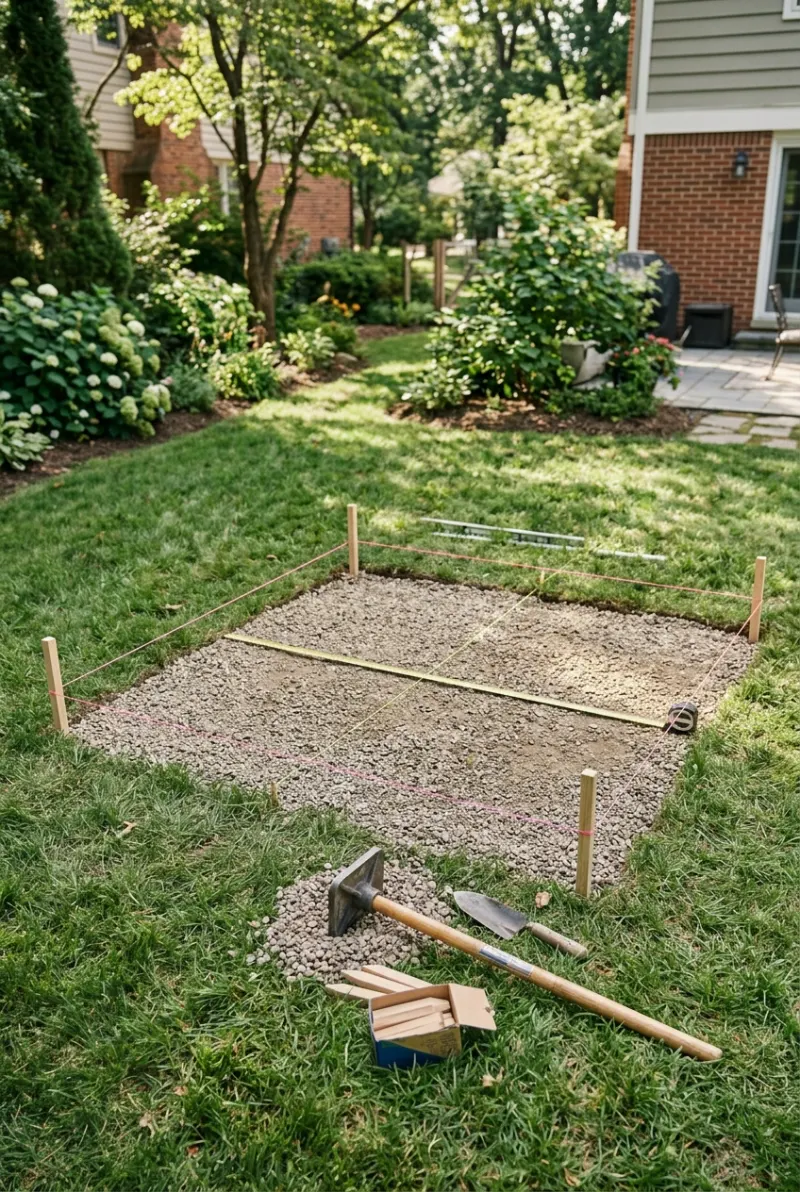
For a ground-level design, you can prepare a compacted gravel base beneath the floor. Keep the wood structure raised slightly above wet soil when the design allows it.
Build the Floor Platform
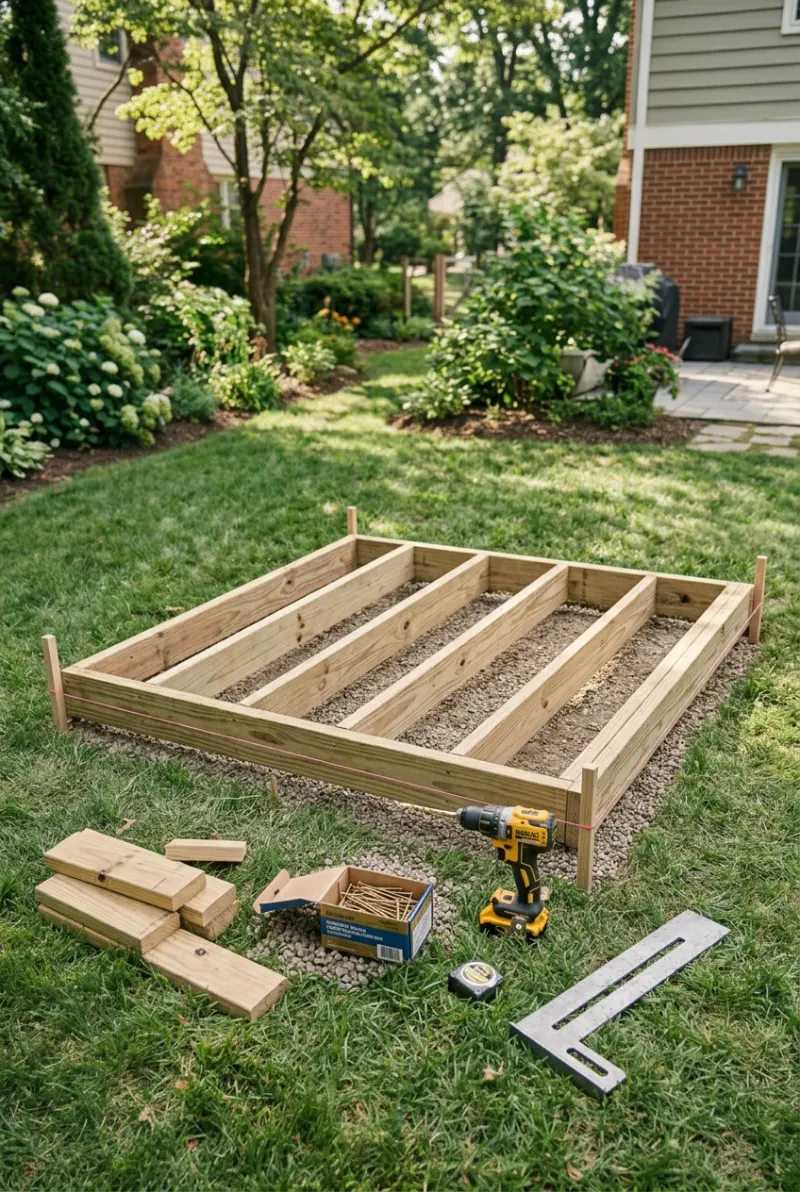
The floor creates the foundation for the playhouse. Build a strong rectangular frame using outdoor-rated lumber. Measure each side carefully and check the frame for square before adding the floor boards.
Place the floor joists inside the frame at even intervals. Secure them with suitable exterior screws or approved connectors. The spacing should match the flooring material and your design requirements.
Check the Frame for Square
A square floor frame helps every later step. Measure the two diagonals of the frame. When both diagonal measurements match, the frame is square.
Secure the frame after checking it. Do not rush this step. A crooked base can make the walls harder to install and can create gaps between the wall panels.
Install the Floor Boards
Place exterior-grade plywood or suitable outdoor flooring over the completed frame. Leave only the spacing recommended for the material and outdoor use.
Secure the flooring firmly to the frame. Check every exposed edge and sand rough areas. The finished floor should feel solid when an adult walks across it.
Frame the Playhouse Walls
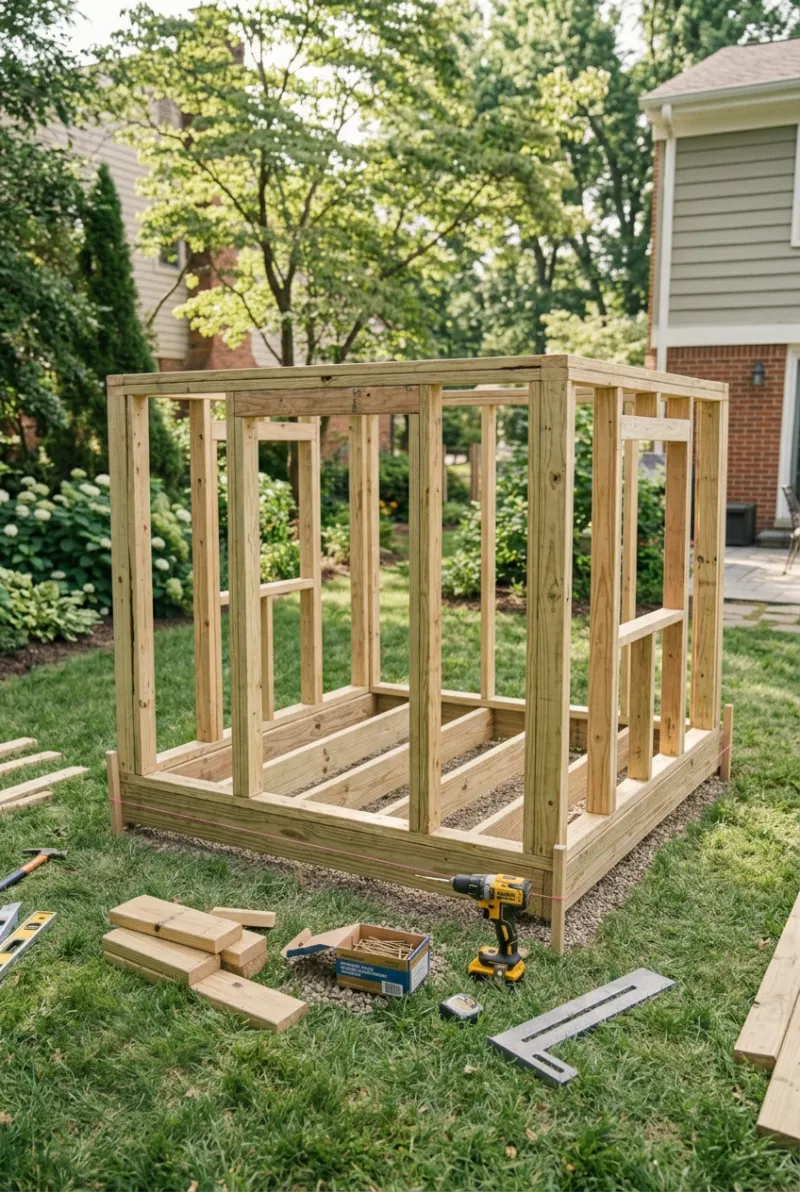
Once the floor is ready, you can build the wall frames. Each wall should match your planned dimensions. Mark the positions of the door and windows before cutting the wall pieces.
Build each wall frame on the ground when possible. This makes measuring and fastening easier. Once a frame is complete, lift it into position and secure it to the floor structure.
Create the Door Opening
Choose a simple door design that gives children easy access. Avoid heavy doors that can close quickly or trap small fingers.
Frame the door opening with strong lumber. Check the opening carefully before adding the wall covering. Leave enough room for the finished door and its hardware.
Add Window Openings
Windows can make a playhouse feel bright and welcoming. Simple openings with safe coverings can work well. Avoid fragile glass in a children’s playhouse.
Use smooth framing around each opening. Sand all edges before installing trim. Keep window openings at a height that suits the children using the playhouse.
Add the Roof Structure
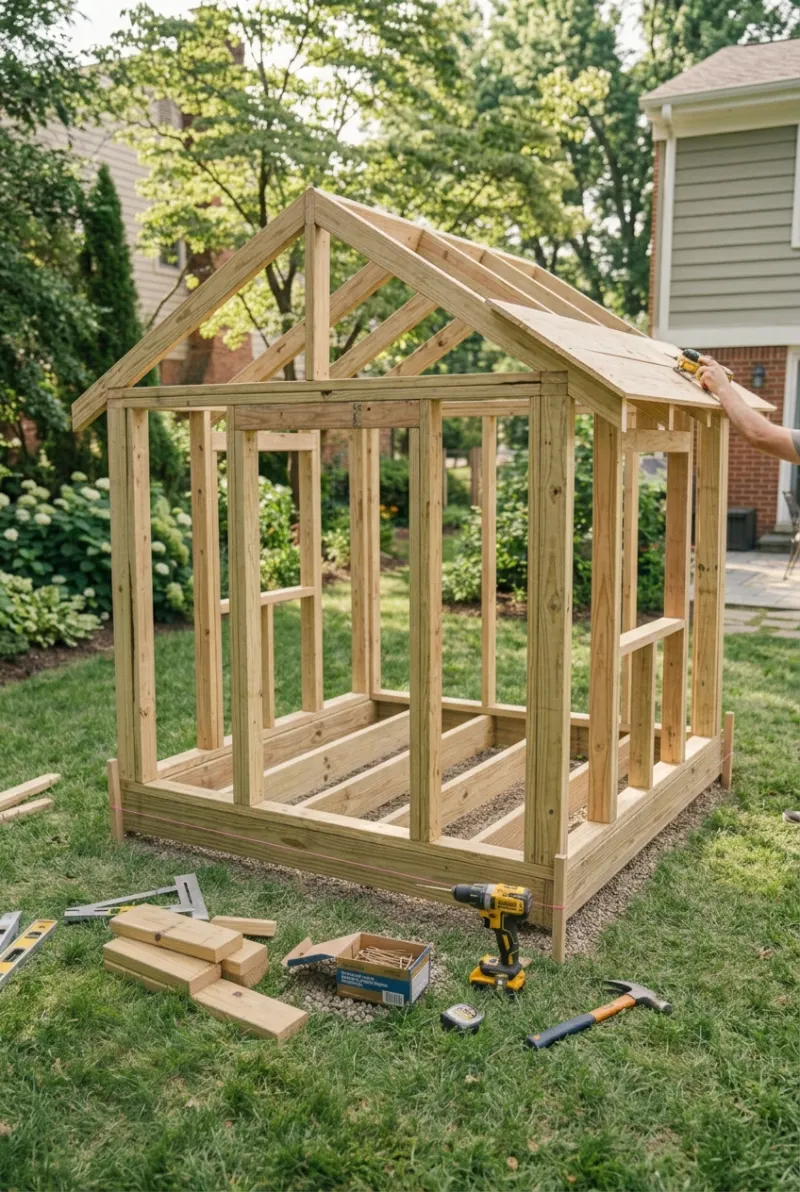
The roof protects the playhouse from sun and rain. A simple sloped roof is often easier to build and helps water drain away from the structure.
Build the roof frame according to your chosen design. Make sure the roof extends slightly beyond the walls to help protect the siding from rain.
Install the Roof Covering
Add the roof deck over the roof frame. Follow the instructions for your chosen roofing material when installing the underlayment and final covering.
Use outdoor-rated roofing materials that suit your local weather. Secure every part properly. Check the roof from the ground when finished and look for loose edges or exposed fasteners.
Keep the Roof Simple
A basic single-slope or small gable roof can give the playhouse a charming look without making the build too complicated.
Avoid adding unnecessary roof features if you are new to woodworking. A simple roof is easier to measure, cover, maintain, and repair.
Cover the Exterior Walls
Now you can add siding or exterior wall boards. Start with one wall and work around the playhouse. Keep each board straight and secure it firmly to the wall frame.
Leave the openings for the door and windows clear. Follow the installation instructions for your chosen siding. Outdoor materials need enough protection from moisture and changing weather.
Sand the Exterior
Run your hand carefully over accessible wooden surfaces after installing the siding. Look for splinters, rough cuts, exposed nails, and sharp corners.
Sand rough areas until they feel smooth. Pay special attention to the door opening, windows, lower walls, and places where children may touch the structure often.
Install the Door and Windows
The door and windows bring the playhouse together. You can use a simple lightweight wooden door or create a basic half-door that gives children easy access.
Install hinges and handles securely. Make sure the door moves smoothly and does not create a pinch point. Test it several times before allowing children to use the playhouse.
Choose Safe Window Details
You can make windows with simple wooden frames and child-safe materials. Avoid breakable glass or sharp decorative pieces.
Keep window hardware secure. Check the windows from both inside and outside. Children should not be able to easily remove small parts or create unsafe openings.
Paint and Protect the Playhouse
Painting can turn a basic wooden structure into a beautiful backyard feature. Choose an exterior paint or stain suitable for outdoor wood.
Let the surface dry and prepare it according to the product instructions. Apply thin, even coats instead of one thick coat. Allow the finish to dry fully before children enter the playhouse.
Pick a Simple Color Scheme
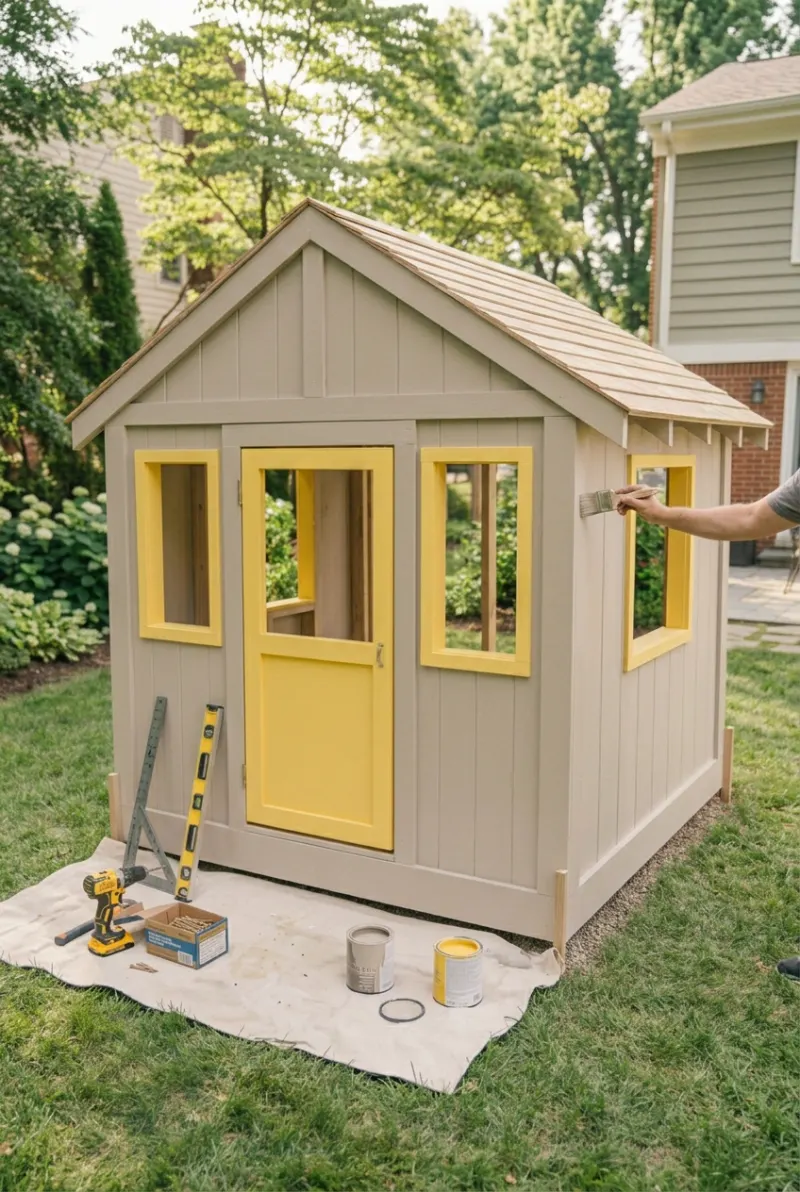
Pinterest-friendly playhouses often look great with a simple color palette. You can use one main color with one or two accent colors.
For example, paint the walls a soft neutral shade and use a brighter color for the door and trim. You can also match the playhouse colors with your garden or backyard furniture.
Add Fun Interior Features
The inside does not need expensive furniture. A few simple features can create a fun pretend-play area. Add a small shelf, child-sized table, chalkboard, or cushion.
Keep the floor open enough for children to move around. Avoid filling the space with too many objects. A simple interior gives children more room for creative play.
Easy Playhouse Ideas
Try these simple additions:
- Small wooden shelves
- Pretend kitchen area
- Chalkboard wall
- Mini reading corner
- Small table and chairs
- Toy storage box
- Fabric-free outdoor-safe cushions
- Simple wall hooks
- Child-sized mailbox
- Small flower boxes outside
Secure shelves and furniture properly. Avoid loose items with small parts if very young children will use the space.
Create a Simple Backyard Play Area
The playhouse can become part of a larger outdoor play area. Add a small path from the house to the playhouse using stepping stones or another safe surface.
You can also create a small garden around the structure. Choose plants that are safe for children and avoid thorny plants near entrances and windows.
Add Outdoor Seating
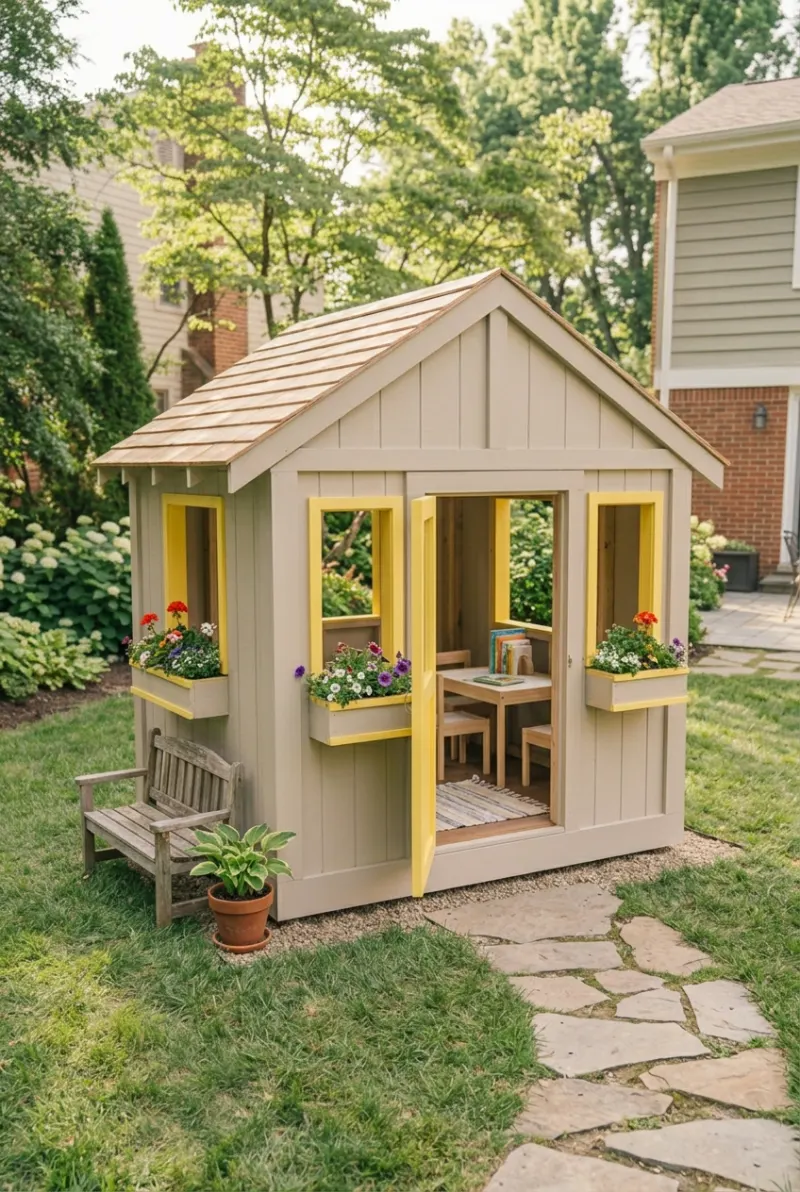
A small bench near the playhouse gives parents a comfortable place to sit while children play. Choose sturdy outdoor furniture with smooth edges.
Keep the seating area outside the main entrance. This leaves the playhouse doorway clear and gives children an easy path in and out.
Make Safety the Main Priority
A playhouse should look fun, but safety comes first. Inspect the structure before children use it. Check the floor, walls, roof, door, windows, and hardware.
Look for loose screws, exposed nails, sharp edges, unstable boards, and splinters. Repeat this inspection regularly because outdoor wood can change with weather and age.
Simple Safety Checklist
Before opening the playhouse for play, check:
- The floor feels firm and stable.
- The walls do not move.
- The roof has no loose parts.
- All screws and nails sit safely.
- Wood surfaces feel smooth.
- Door hardware works correctly.
- Windows have no breakable glass.
- There are no sharp corners.
- The playhouse sits on stable ground.
- The surrounding area stays clear.
Also choose playhouse features based on the children’s ages. Supervise young children and follow local safety guidance for outdoor play structures.
Common DIY Playhouse Mistakes to Avoid
Many problems happen because builders rush the early stages. Poor measurements can create crooked walls, uneven doors, and roof problems. Take extra time during the layout and floor stages.
Another common mistake is choosing indoor materials for an outdoor project. Moisture can damage unsuitable wood and finishes. Use materials designed for exterior conditions and follow their care instructions.
Mistakes That Can Cause Problems
Avoid these common errors:
- Building on uneven ground
- Skipping measurements
- Using weak or damaged lumber
- Leaving wood unsanded
- Using indoor paint outside
- Making the door too heavy
- Leaving sharp edges exposed
- Adding too many interior items
- Forgetting regular inspections
- Rushing the roof installation
A simple design can still look beautiful. Focus on strong construction, smooth surfaces, good proportions, and useful details.
Maintain Your Backyard Playhouse
Your DIY playhouse needs regular care after construction. Inspect the wood at the start of each season. Look for cracks, loose hardware, peeling paint, water damage, and signs of rot.
Clean the floor and remove leaves, dirt, and insects. Keep the area around the playhouse dry and clear. Small maintenance jobs can help keep the structure useful for years.
Seasonal Maintenance Tips
Use this simple routine:
- Check the roof after heavy weather.
- Tighten loose hardware.
- Sand new rough spots.
- Touch up damaged paint.
- Check the floor for moisture damage.
- Clear leaves from around the base.
- Inspect the door and hinges.
- Check the surrounding ground.
If you find serious structural damage, stop using the playhouse until the problem is properly repaired.
Make Your DIY Playhouse Worthy
A backyard playhouse can become more than a simple children’s structure. Small design details can make it a beautiful part of your outdoor space.
Add a cute sign, simple flower boxes, a small outdoor table, or a colorful door. Keep the decorations secure and choose materials that can handle outdoor weather.
Simple Decorating Ideas
Try these easy ideas:
- Add a small name sign.
- Paint the door a fun accent color.
- Add simple flower boxes.
- Create a tiny reading corner.
- Hang a small chalkboard.
- Add a child-sized mailbox.
- Use simple outdoor-safe decorations.
- Create a stepping-stone path.
- Place a small bench nearby.
The best decor should still leave plenty of room for play. Keep the design simple, safe, and easy to maintain.
Frequently Asked Questions
How much does it cost to build a DIY backyard playhouse?
The cost depends on the size, materials, roof style, siding, and finishing choices. A simple design can cost less than a detailed custom build. Make a material list first and compare local prices before buying.
What is the easiest playhouse design for beginners?
A small ground-level playhouse with a simple rectangular floor, four framed walls, and a basic sloped roof is easier to manage. Avoid complicated roof shapes and large decorative features for your first project.
Can I build a playhouse without a concrete foundation?
Yes, some small ground-level designs use a properly prepared gravel base and a suitable raised wooden floor system. The correct foundation depends on the design, soil, weather, and local requirements.
What type of wood should I use?
Use lumber that is suitable for exterior construction and matches the requirements of your design. Outdoor wood needs protection from moisture and weather. Follow the manufacturer’s guidance for any treated lumber or finishing products.
How long does it take to build a DIY playhouse?
A simple playhouse may take a weekend or longer depending on its size, design, tools, weather, and your experience. Painting, roof work, and finishing details can add extra time.
Should I paint the playhouse?
Yes, an appropriate exterior paint or stain can help protect the wood and give the playhouse a finished look. Choose a product made for exterior use and follow its drying and application instructions.
Final Thoughts
Building a DIY playhouse in your backyard can be a rewarding family project. Start with a simple design, prepare the ground carefully, and build each part one step at a time.
You do not need expensive features to create a special space. A strong floor, safe walls, a weather-resistant roof, and a few creative details can turn a simple wooden structure into a favorite backyard spot.
Take your time, check every measurement, and inspect the finished playhouse before children use it. Then add a few personal touches and create a little outdoor space where kids can play and imagine.






- Be Respectful
- Stay Relevant
- Stay Positive
- True Feedback
- Encourage Discussion
- Avoid Spamming
- No Fake News
- Don't Copy-Paste
- No Personal Attacks
- Be Respectful
- Stay Relevant
- Stay Positive
- True Feedback
- Encourage Discussion
- Avoid Spamming
- No Fake News
- Don't Copy-Paste
- No Personal Attacks
