How to Hang Things Without Damaging Walls: 10 Easy Methods for a Damage-Free Home
Published: 30 Oct 2026
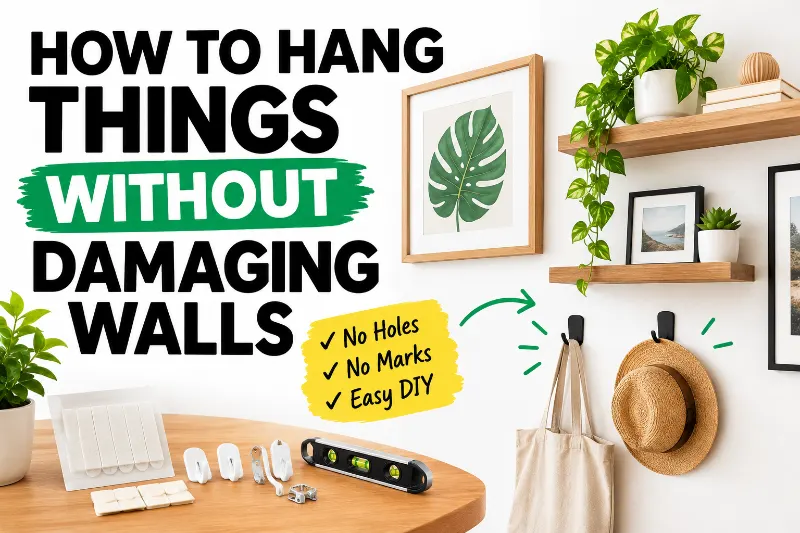
Hanging wall decor can make any room feel warm, stylish, and personal. But nails, screws, and wall anchors can leave holes and damage paint. This can create problems for renters and homeowners who want clean walls. Do you want to display your favorite pictures without drilling holes? This guide shares easy ways to hang things without damaging walls, using simple tools and renter-friendly methods.
How Can You Hang Things Without Damaging Walls?
You can hang pictures, lightweight decorations, and small wall accessories without nails by using removable adhesive strips, hooks, putty, and other no-drill tools. Choose a hanging method based on the item’s weight, wall surface, and how long you want to display it.
1. Why Choose Wall Decor Methods That Do Not Need Nails?
Traditional nails and screws can leave holes, cracks, and paint marks. Damage-free hanging methods help you decorate your home without making permanent changes. They also give you more freedom to move pictures and change your room style.
- Keep your walls clean and smooth.
- Change your wall decor without filling nail holes.
- Make decorating easier in rental homes and apartments.
Example: A renter with a small 10 × 12-foot bedroom can use removable hooks to display lightweight artwork. A low-budget setup with a simple frame and neutral wall colors can create a clean, modern look.
Keep Your Rental Walls in Good Condition
Renters often need to return their homes in good condition. Small nail holes and peeling paint can affect the final inspection. Removable hanging tools can help reduce this risk, but always check your rental agreement first.
Example: In a medium-sized rental living room, a renter can display three lightweight prints with removable strips. A simple black-and-white style works well with white walls and basic furniture.
Change Your Wall Style Whenever You Want
Damage-free hanging gives you more freedom to change your room layout. You can move lightweight pictures, seasonal decorations, and small wall art without making new holes every time you update your space.
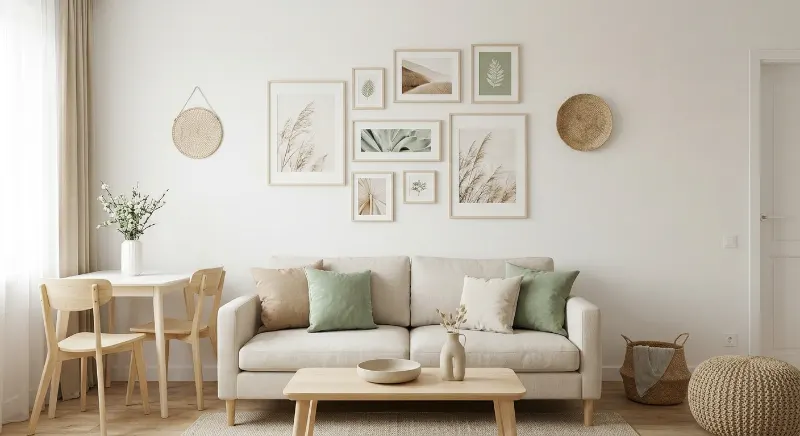
Example: A family with a large living room can use removable picture strips to create a gallery wall. A medium-budget setup with colorful prints can make the space feel more personal.
2. How to Choose the Right Hanging Method for Your Walls
Not every hanging tool works on every wall. Some products need smooth surfaces, while others work better on wood or metal. Check your wall type and decoration weight before choosing a hanging method.
- Smooth painted walls often work with removable adhesive products.
- Textured walls may need special hooks or another hanging method.
- Wallpaper needs extra care because adhesives can pull off its surface.
Example: A renter with a small bedroom and painted drywall can use lightweight adhesive hooks for simple fabric decorations. A low-budget setup with beige walls and natural textures creates a soft look.
Check Your Wall Surface Before Hanging Anything
Start by looking at your wall surface. Check for dust, loose paint, rough patches, and moisture. Adhesive products usually need a clean, dry, and stable surface to hold properly.
Example: In a medium-sized bedroom, a renter can use removable strips on a smooth painted wall to display two lightweight prints. A simple Scandinavian style with white and light wood colors keeps the room calm.
Understand the Weight of Your Wall Decor
Every hanging product has a weight limit. Check the manufacturer’s instructions before using it. Remember that a large frame can weigh more than it looks, especially when it has a glass front.
Example: A family decorating a large playroom can use lightweight plastic frames instead of heavy glass frames. A low-budget setup with bright colors and simple artwork makes the room more child-friendly.
For a child’s room, keep hanging decorations away from beds and play areas where they could fall. Never use a small adhesive hook for a heavy mirror or large shelf.
3. Use Removable Adhesive Strips for Pictures and Wall Art
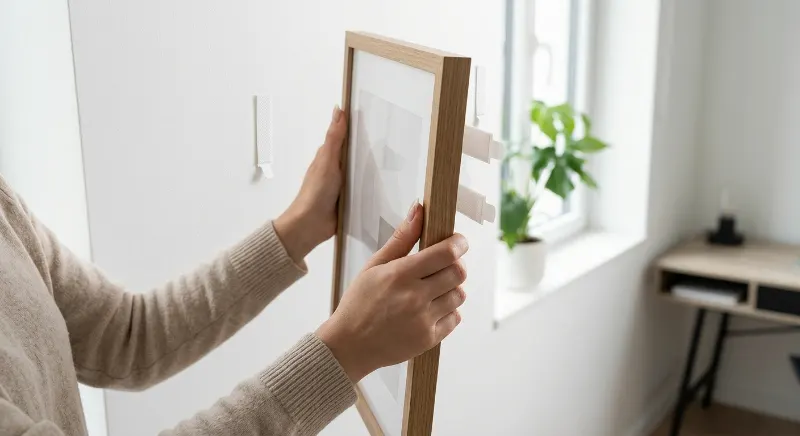
Removable adhesive strips are one of the easiest ways to hang lightweight pictures without nails. Many styles come with two parts that attach to each other. They hold a frame in place and allow removal when needed.
- Choose strips made for picture hanging.
- Check the weight limit on the package.
- Follow the correct cleaning and waiting instructions.
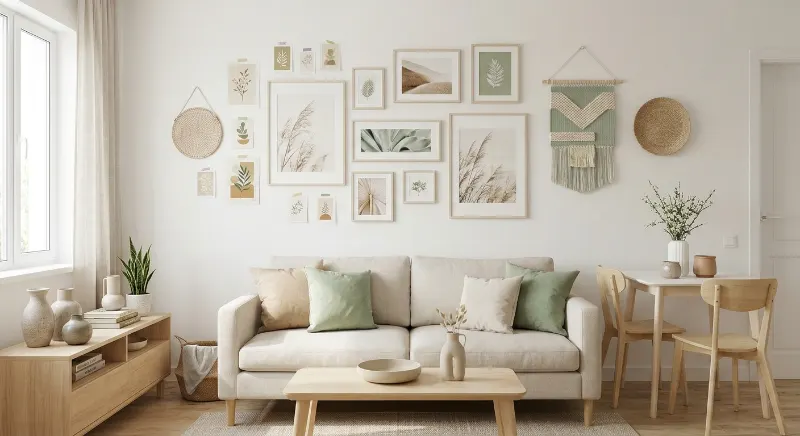
Example: A renter with a medium-sized living room can arrange four lightweight picture frames on one wall. A medium-budget gallery wall with neutral prints and matching frames creates a balanced look.
Prepare the Wall Before Applying the Strips
Clean the wall according to the product instructions. Remove dust and dirt, then allow the surface to dry fully. Do not apply adhesive strips over loose paint or damp areas.
Example: In a small bedroom, use removable strips to hang two lightweight botanical prints above a desk. A low-budget design with white frames and soft green artwork adds color without taking up floor space.
Attach the Strips Correctly
Follow the product’s exact instructions for attaching the strips to the frame and wall. Press each section firmly for the recommended time. Some products also require a waiting period before you hang the frame.
Example: A family with a medium-sized dining room can arrange three lightweight food prints in a straight line. A simple farmhouse style with warm white walls and wooden frames gives the room a cozy feel.
Choose the Right Frames for Adhesive Hanging
Lightweight frames are easier to hang with removable strips than heavy wood or glass frames. Plastic, thin wood, and lightweight canvas frames can work well when their weight fits the product limit.
Example: A renter with a small 8 × 10-foot bedroom can use three lightweight canvas prints. A low-budget boho style with cream, terracotta, and beige colors adds warmth.
4. Hang Lightweight Decorations With Removable Wall Hooks
Removable wall hooks offer a simple way to display lightweight items without drilling. You can use them for small wreaths, fabric decorations, string lights, and lightweight accessories. Always check the weight rating before hanging anything.
- Choose hooks designed for your wall surface.
- Clean the area before attaching the hook.
- Avoid hanging heavy objects from small adhesive hooks.
Example: A renter with a medium-sized bedroom can use three small hooks to hang lightweight fabric decorations. A low-budget boho style with cream walls and woven details creates a relaxed atmosphere.
Use Hooks for Seasonal Wall Decorations
Seasonal decorations can change your home’s look throughout the year. Removable hooks can hold lightweight wreaths, paper decorations, and small garlands. They also make it easier to update your display after each season.
Example: A family with a large living room can hang a lightweight holiday garland above a decorative mantel using suitable removable hooks. A low-budget Christmas style with warm white and green colors feels welcoming.
A similar approach works for holiday displays around a fireplace. For more inspiration, a room can feature the ideas from these Christmas fireplace decor arrangements without adding permanent wall fixtures.
Create a Simple Wall Display With Hooks
You can use several hooks to create a neat wall display. Place them at equal distances and hang lightweight items from each hook. Measure the space before attaching anything to keep the arrangement balanced.
Example: In a small entryway, a renter can use two removable hooks for lightweight fabric bags or decorative accessories. A low-budget design with warm white walls and natural wood tones keeps the area simple.
Use Hooks for Lightweight String Lights
Small removable hooks can help guide lightweight string lights around a room. Choose hooks made for the surface and keep lights away from heat sources, water, and damaged electrical cords.
Example: A teenager’s medium-sized bedroom can feature warm white string lights along one wall. A low-budget setup with soft beige bedding and simple wall art creates a cozy reading corner.
Never hang lights near curtains, heaters, or other hot surfaces. Use lights that meet the safety requirements for indoor use.
5. Try Adhesive Putty for Small and Lightweight Items
Adhesive putty is a soft material that can hold small, lightweight decorations against a wall. It works well for paper art, small posters, and notes. It is not suitable for heavy frames or valuable artwork.
- Use a small amount on each corner.
- Check whether the putty suits your wall finish.
- Test a hidden area before applying it.
Example: A student with a small bedroom can display paper prints above a study desk. A low-budget setup with white walls and colorful artwork makes the room feel creative.
Display Posters and Paper Artwork
Adhesive putty can hold small paper decorations without using pins. Apply small pieces behind the corners of the paper. Avoid using too much putty because it may leave marks or oily spots.
Example: A renter with a medium-sized study room can arrange four small posters above a desk. A simple modern style with black, white, and blue artwork looks neat.
Use Putty for Children’s Artwork
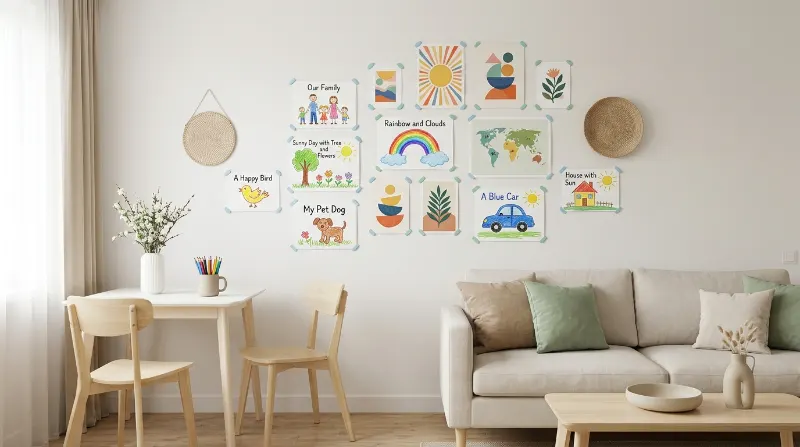
Children often bring home drawings and small paper projects. Adhesive putty can help parents display these creations without adding nail holes. Choose a safe location away from areas where children may pull decorations down.
Example: A family with a large playroom can create a small art corner with colorful drawings. A low-budget display with bright yellow and soft green colors makes the space cheerful.
6. Use Tension Rods and Other No-Drill Hanging Options
Tension rods offer another way to decorate without making holes. They stay in place by pressing against two opposite surfaces. You can use them for lightweight curtains, fabric displays, and small decorative items.
- Measure the space before buying a tension rod.
- Check the rod’s weight and length limits.
- Place it between suitable, stable surfaces.
Example: A renter with a medium-sized bedroom can place a tension rod inside a window frame to hold lightweight curtains. A low-budget style with warm white fabric and wooden furniture keeps the room bright.
Hang Lightweight Curtains Without Drilling
A tension rod can fit inside a window frame without screws. Measure the inside width before choosing the rod. Follow its instructions and make sure it sits firmly before adding curtains.
Example: A small rental bedroom can use a tension rod with lightweight cream curtains. A low-budget setup with white walls and soft natural fabrics creates a simple, airy look.
Use Freestanding Displays Instead of Wall Mounts
Not every decoration needs to hang directly on a wall. A freestanding ladder shelf, picture stand, or floor easel can display artwork without wall attachments.
Example: A renter with a large living room can place a wooden ladder display beside a sofa. A medium-budget rustic style with beige walls and natural wood creates visual interest.
Keep freestanding displays stable and away from busy walkways. Secure tall furniture according to the manufacturer’s safety instructions, especially in homes with children or pets.
Try a Decorative Pegboard on a Freestanding Stand
A freestanding pegboard can hold lightweight craft tools, notes, and small decorations. It gives you an organized display without attaching the board to the wall. Choose a stable base and avoid overloading it.
Example: A family with a medium-sized craft room can use a small freestanding pegboard beside a desk. A low-budget style with white, green, and natural wood tones keeps supplies organized.
7. Display Pictures Without Making Holes in the Wall
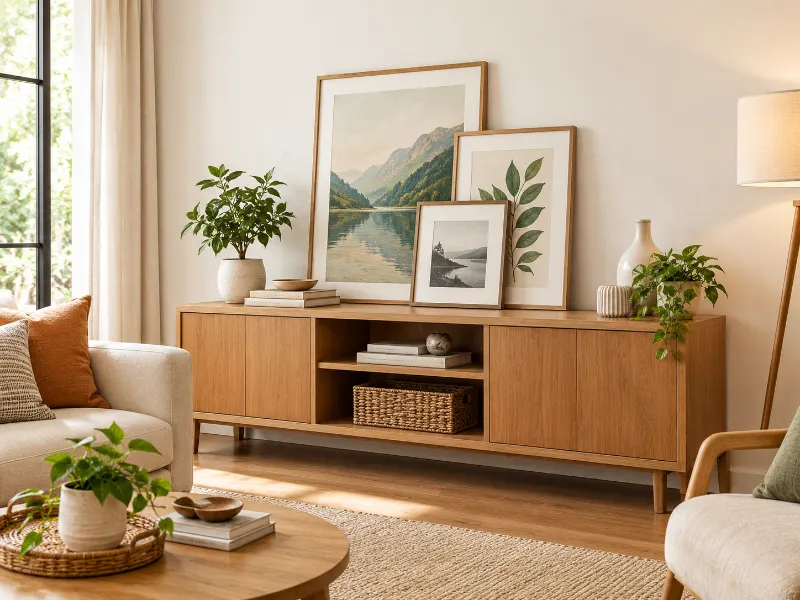
You do not always need to attach picture frames directly to a wall. Shelves, furniture tops, and picture stands can create attractive displays. These options work well for renters and people who like changing their decor.
- Lean lightweight frames against a wall on a stable surface.
- Use a picture stand on a desk or table.
- Arrange frames on an existing shelf.
Example: A renter with a small living room can display two picture frames on a narrow console table. A low-budget modern style with black frames and warm white walls creates a simple gallery effect.
Lean Framed Art Against a Wall
Place a lightweight picture frame on a stable table or shelf. Lean it against the wall without attaching it. This method makes it easy to change artwork whenever you want a fresh look.
Example: A medium-sized bedroom can feature two framed prints on a dresser. A low-budget minimalist style with cream walls and simple black frames keeps the room uncluttered.
Make sure the frame cannot slide or fall. Avoid placing glass frames where children or pets can knock them over.
Layer Different Picture Frames
You can create a layered display by placing a smaller frame in front of a larger one. This adds depth and makes a shelf look more interesting. Keep the frames stable and avoid blocking walkways.
Example: A family with a large living room can place three lightweight frames on a long console table. A medium-budget modern farmhouse style with wooden frames and neutral artwork creates a warm display.
Use Furniture to Support Your Wall Decor
A dresser, bookshelf, or console table can support small decorative items. This method works especially well when you do not want to make changes to rental walls.
Example: A renter with a small entryway can place a picture stand and a small decorative vase on a narrow console. A low-budget Scandinavian style with light wood and white colors keeps the area open.
8. Remove Adhesive Products Without Peeling Wall Paint
Removing adhesive products needs care. Pulling a hook or strip too quickly can damage paint and leave marks. Follow the manufacturer’s removal instructions instead of forcing the adhesive away from the wall.
- Check the product’s removal instructions first.
- Remove adhesive slowly and carefully.
- Stop if paint begins to lift or crack.
Example: A renter with a medium-sized bedroom can remove old picture strips before moving out. A low-budget cleanup with clean white walls helps keep the room ready for inspection.
Follow the Correct Removal Direction
Some removable strips have a pull tab that stretches downward to release the adhesive. Hold the hook or frame gently and follow the exact removal direction. Never pull the strip straight away from the wall if the instructions say otherwise.
Example: In a small bedroom, a renter can remove two lightweight picture frames using their strip pull tabs. A simple white-and-beige decor style makes any small wall marks easier to notice.
Use Gentle Heat Only When the Product Allows It
Some adhesive products allow gentle warming to soften the glue. However, heat can affect paint, wallpaper, and other wall finishes. Only use this method when the product instructions recommend it.
Example: A family with a large living room may need to remove several old decorative hooks. A low-budget neutral interior benefits from careful removal that protects the existing wall finish.
Do not use high heat or place a hot hair dryer close to wallpaper, fabric, or electrical fittings.
Clean Small Adhesive Marks Carefully
Some adhesives leave a little residue after removal. Use a cleaning method that suits your wall paint and the product instructions. Test any cleaning solution in a hidden area first.
Example: A renter with a medium-sized study room can gently clean small adhesive marks from a painted wall. A simple modern style with light gray and white colors keeps the space fresh.
9. Common Mistakes to Avoid When Hanging Wall Decor
Small mistakes can cause wall damage even when you use no-nail products. Choosing the wrong adhesive, ignoring weight limits, and skipping surface preparation can lead to falling decorations or peeling paint.
- Never hang heavy objects with products made for lightweight items.
- Do not attach adhesives to dusty or damp walls.
- Avoid placing hooks over loose or peeling paint.
Example: A family with a small child’s bedroom can use lightweight plastic picture frames instead of heavy glass artwork. A low-budget style with soft blue walls and simple prints keeps the room practical.
Do Not Ignore Product Weight Limits
Every adhesive hook and picture strip has a stated weight capacity. Check that limit before hanging an item. Remember to consider the complete weight of the frame and its contents.
Example: A renter with a medium-sized living room can choose lightweight canvas art instead of a heavy framed mirror. A medium-budget modern style with soft gray and warm white colors looks balanced.
Avoid Hanging Decorations on Weak Surfaces
Old paint, loose wallpaper, and damp walls can reduce adhesive strength. Fix the wall problem before decorating. Never cover a damaged area with adhesive products and expect a secure hold.
Example: A homeowner with a large bedroom can choose a freestanding picture display while repairing a peeling wall. A low-budget minimalist style with natural wood furniture keeps the room attractive.
Keep Heavy Items Away From Weak Adhesive Hooks
Large mirrors, heavy shelves, and bulky wall cabinets need proper support. Adhesive hooks are not a safe replacement for suitable wall anchors or professional installation when the item is heavy.
Example: A family with a large living room may want to display a heavy mirror. A safe option is to use a stable floor mirror instead of hanging it with adhesive strips.
10. Budget-Friendly Ways to Decorate Walls Without Damage
You do not need expensive wall accessories to make a room look attractive. Simple prints, lightweight frames, fabric decorations, and removable hooks can create a fresh look without permanent changes.
- Low budget: Use paper prints, adhesive putty, and existing picture stands.
- Medium budget: Choose lightweight frames and suitable removable strips.
- High budget: Invest in larger lightweight canvas art and quality display stands.
Example: A renter with a medium-sized living room can create a simple gallery display with three lightweight frames. A medium-budget design with warm white, beige, and soft green colors adds a stylish touch.
Choose Affordable Paper and Fabric Decorations
Paper art and lightweight fabric decorations can add color without heavy materials. You can use your own artwork, printed designs, or fabric pieces. Choose materials that match your room’s color scheme.
Example: A student with a small bedroom can display fabric wall art above a desk. A low-budget boho style with cream, terracotta, and brown tones creates a warm study space.
Make Your Own Lightweight Picture Frames
You can use simple materials to create lightweight picture displays. Choose safe, suitable frame materials and keep the finished artwork within the weight limit of your hanging product.
Example: A renter with a medium-sized bedroom can create three matching lightweight frames. A low-budget style with white borders and botanical prints gives the room a fresh look.
A handmade frame can also suit a family photo display. For a personal touch, a room can include creative DIY picture frame ideas that work with its existing colors and furniture.
Decorate Walls With Seasonal and Natural Themes
Seasonal wall art can refresh your home without changing the furniture. Use lightweight paper decorations, fabric pieces, or small prints. Remove each item carefully when the season ends.
Example: A family with a large living room can display lightweight winter prints near a console table. A low-budget style with warm white, pine green, and natural wood creates a cozy seasonal look.
You can also bring a warm seasonal feeling into the room with natural scents. Cinnamon, orange, and other familiar holiday scents can complement a winter decor theme, especially when you make your house smell like Christmas.
FAQ
1. What Is the Best Way to Hang Pictures Without Nails?
Removable picture strips are a useful choice for lightweight frames on suitable smooth walls. Check the product’s weight limit and surface instructions before using them. You can also lean pictures on a shelf or console table.
2. Can Adhesive Hooks Damage Wall Paint?
Yes, adhesive hooks can damage paint during use or removal. Poor wall preparation, old paint, heavy objects, and incorrect removal can increase this risk. Choose suitable products and test a hidden area first.
3. Can I Hang Things on Textured Walls Without Drilling?
Some adhesive products work on certain textured surfaces, but many need a smooth area. Check the manufacturer’s surface guidelines. A freestanding picture stand or furniture display can be a better choice for rough walls.
4. How Can Renters Hang Wall Decor Without Losing Their Deposit?
Renters can use approved removable hooks, picture strips, lightweight frames, and freestanding displays. They should check their rental agreement and test products carefully. No method can guarantee zero damage on every wall surface.
5. Can I Hang Heavy Pictures Without Nails?
Heavy pictures need more support than small adhesive hooks can provide. Check the weight rating of any hanging product. For large mirrors and heavy artwork, use suitable wall fixings or a stable freestanding display.
Final Thoughts
You can decorate your walls without using nails or screws. Removable picture strips, adhesive hooks, putty, tension rods, and freestanding displays offer useful options for different rooms and wall types.
Always check the wall surface, item weight, and product instructions before hanging anything. Take extra care when removing adhesives to protect your paint.
Which damage-free wall decor idea will you try first? Start with one lightweight picture or decoration and see how it fits your room.



- Be Respectful
- Stay Relevant
- Stay Positive
- True Feedback
- Encourage Discussion
- Avoid Spamming
- No Fake News
- Don't Copy-Paste
- No Personal Attacks
- Be Respectful
- Stay Relevant
- Stay Positive
- True Feedback
- Encourage Discussion
- Avoid Spamming
- No Fake News
- Don't Copy-Paste
- No Personal Attacks
